Article
A Week in Corsica
A road trip across Corsica in August 2025 — Bonifacio cliffs, Piantarella kites, the Restonica river, the Calanques de Piana and a sunset behind the Sanguinaires.
Corsica had been on the list for years.
It's a strange island. Geographically French, culturally something else entirely — closer to Sardinia than to Marseille, with a language that sounds like Tuscan dialect and a flag that puts a Moor's head where you'd expect a fleur-de-lis. The kind of place where the road signs are bilingual and half of them have been spray-painted to make a point.
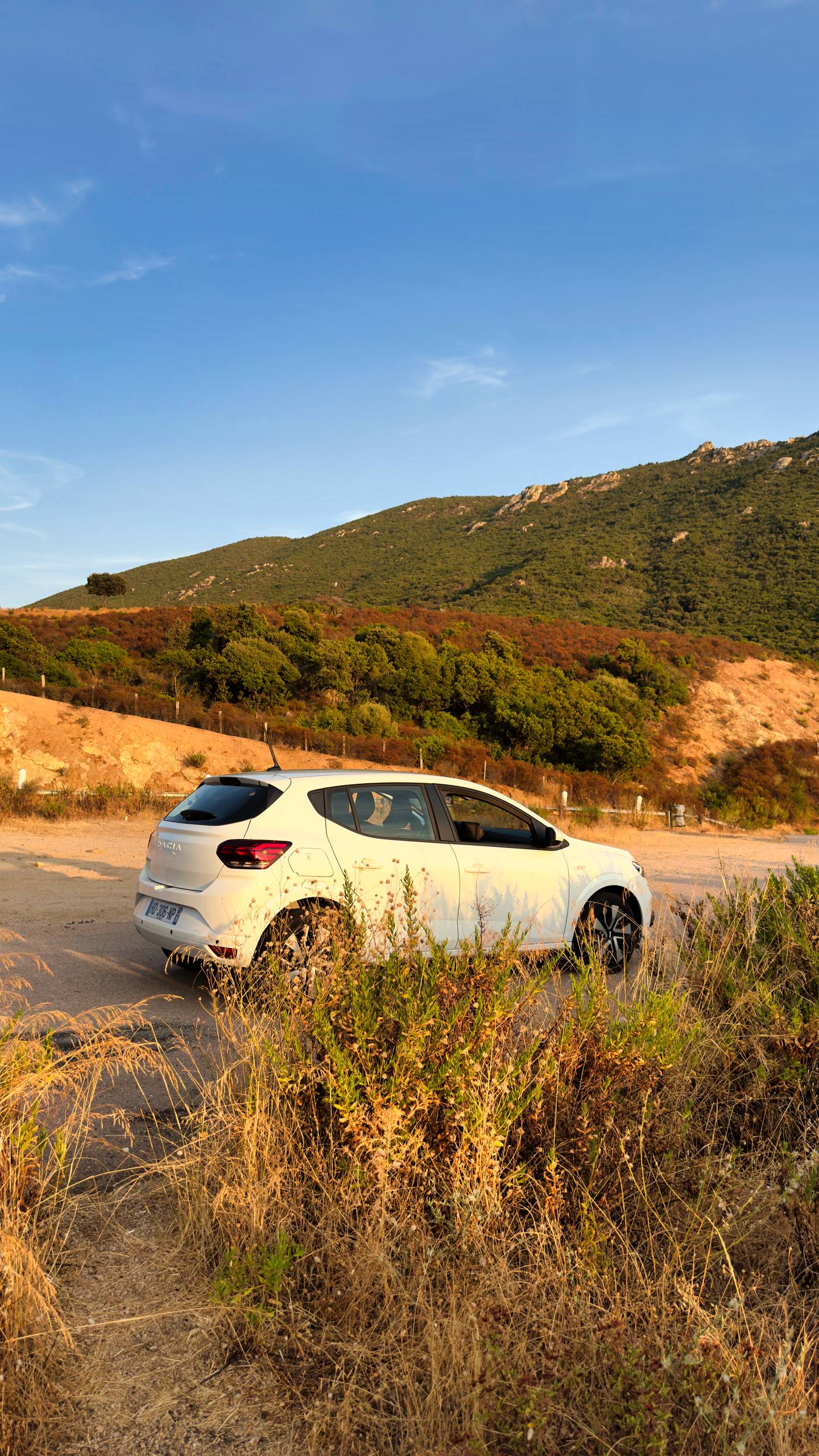
I finally went down in August 2025. A week, a white Dacia Sandero, a loose plan: south for the cliffs and the wind, then up through the mountains, across to the west coast, and out via Ajaccio. Here's what stuck.
Bonifacio
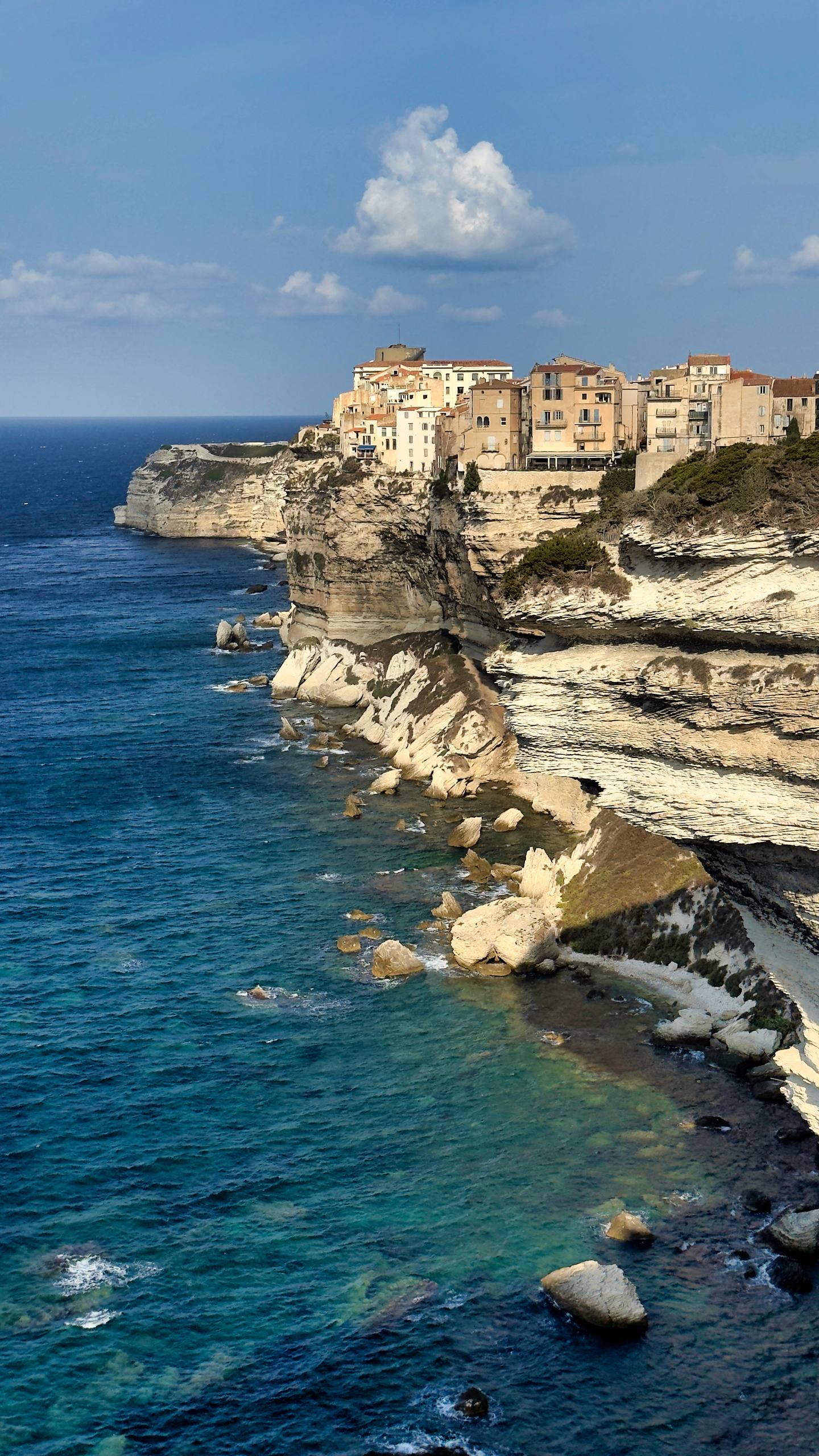
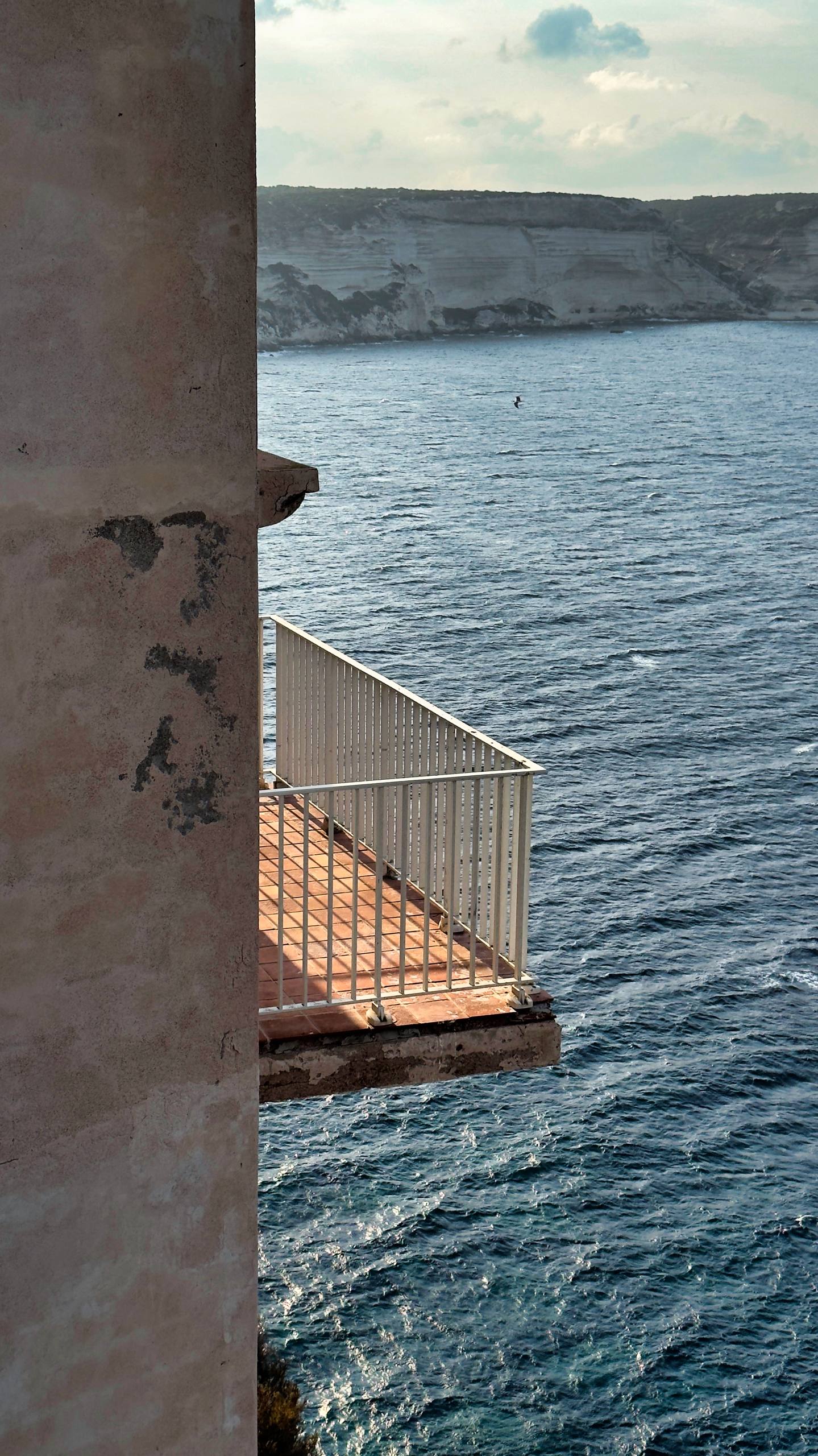
The old town sits on top of a cliff that's actively trying to throw it into the sea. White limestone, undercut by waves, with houses built right to the edge — and in some cases, hanging slightly past it. You stand at the bottom looking up and you understand immediately why nobody ever managed to take this place by force.
The streets up top are narrow, shaded, full of cats. You turn a corner and the Mediterranean is just there, two hundred metres straight down through a gap between two buildings. There are old Genoese towers everywhere — the island is dotted with them, ringing the coast like a stone tripwire that hasn't been used in five hundred years.
The coves
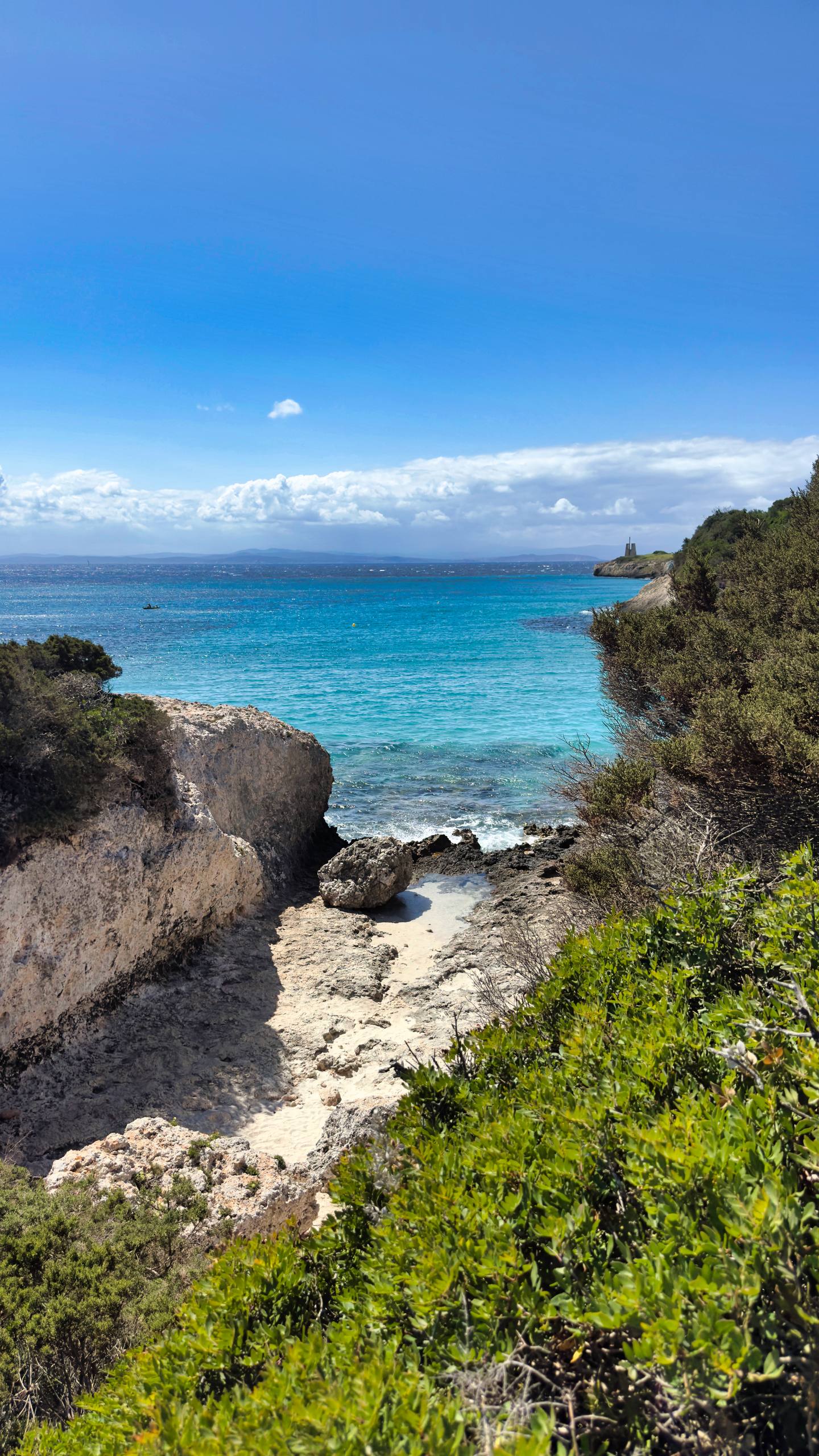
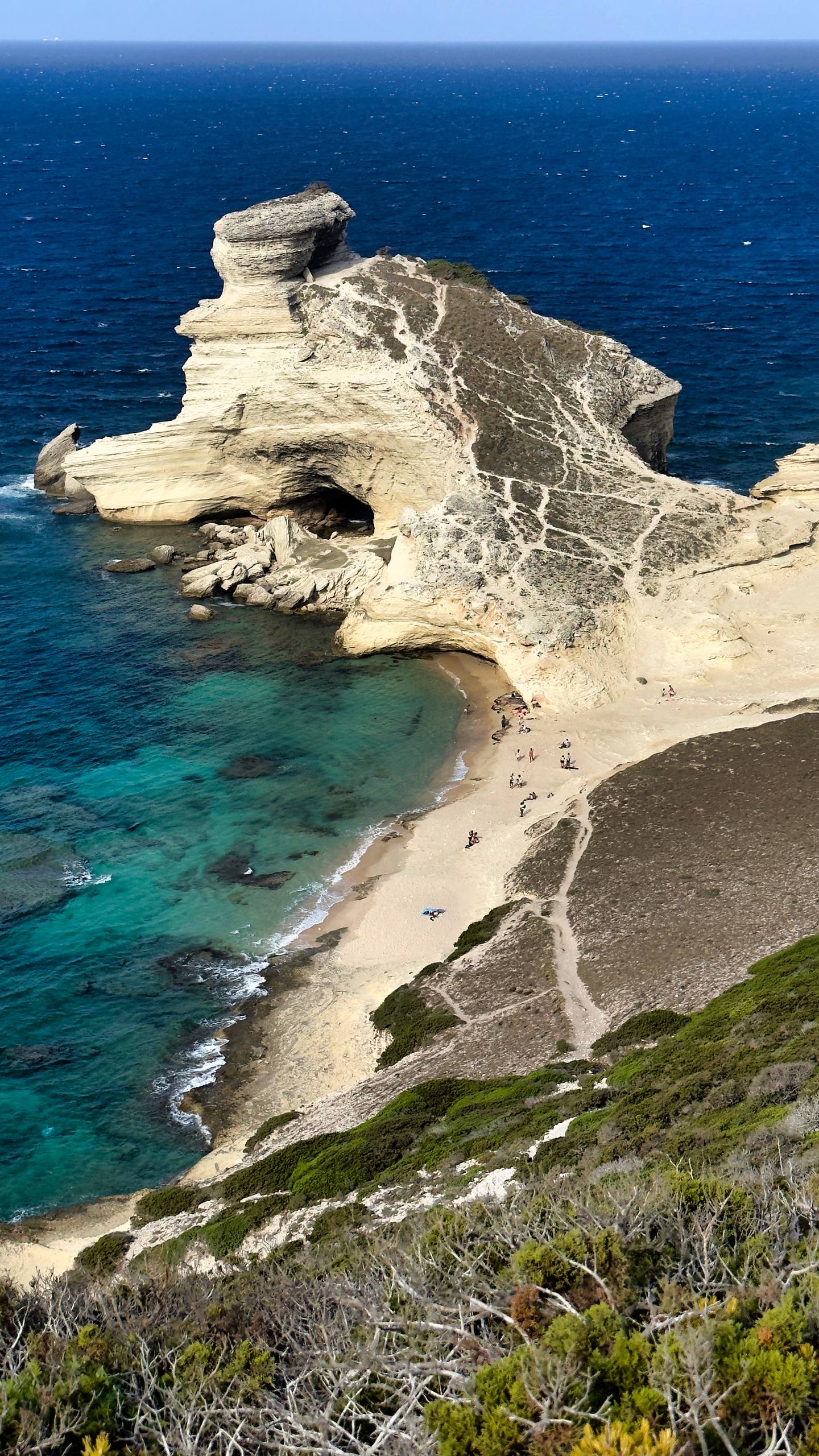
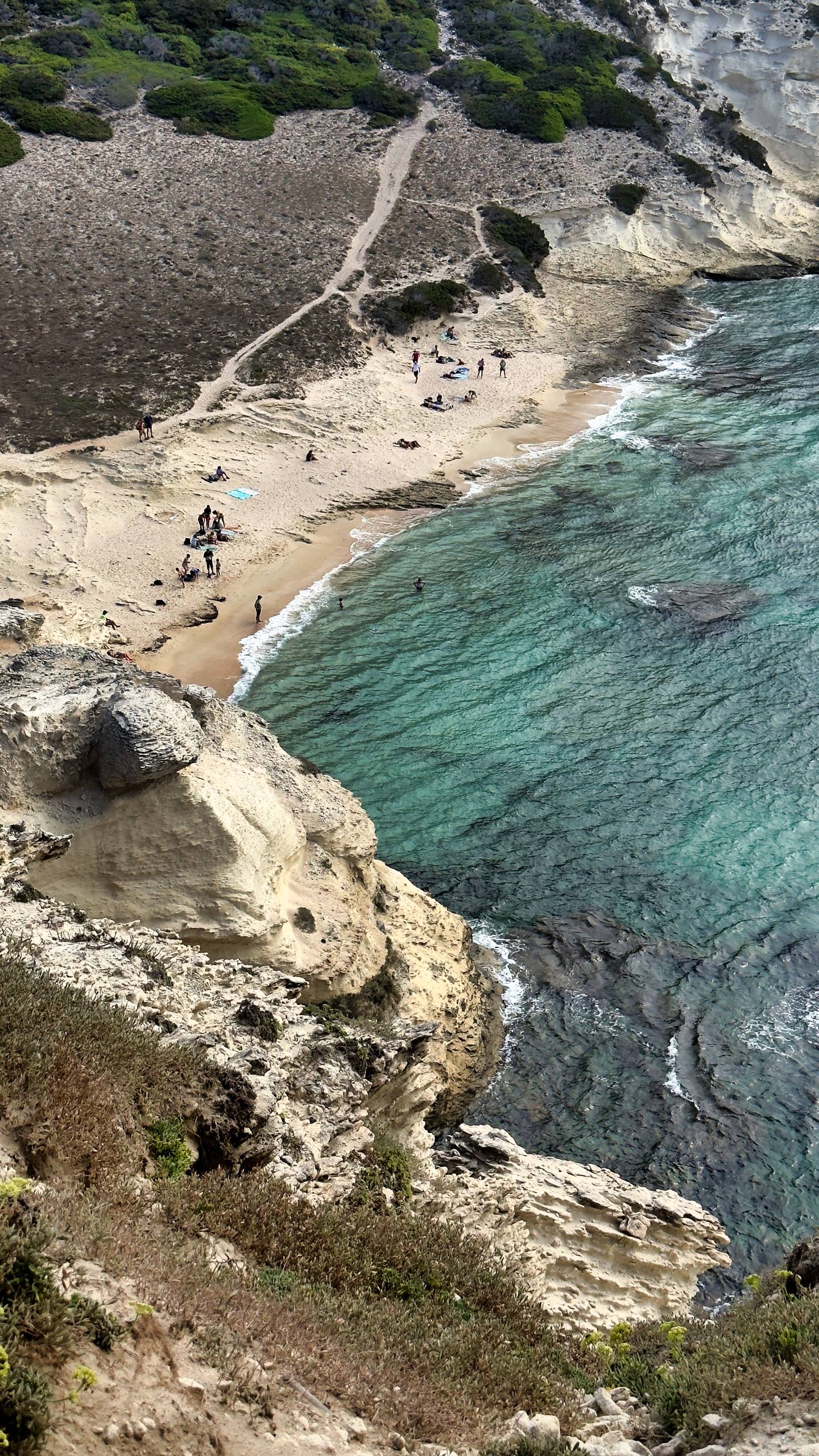
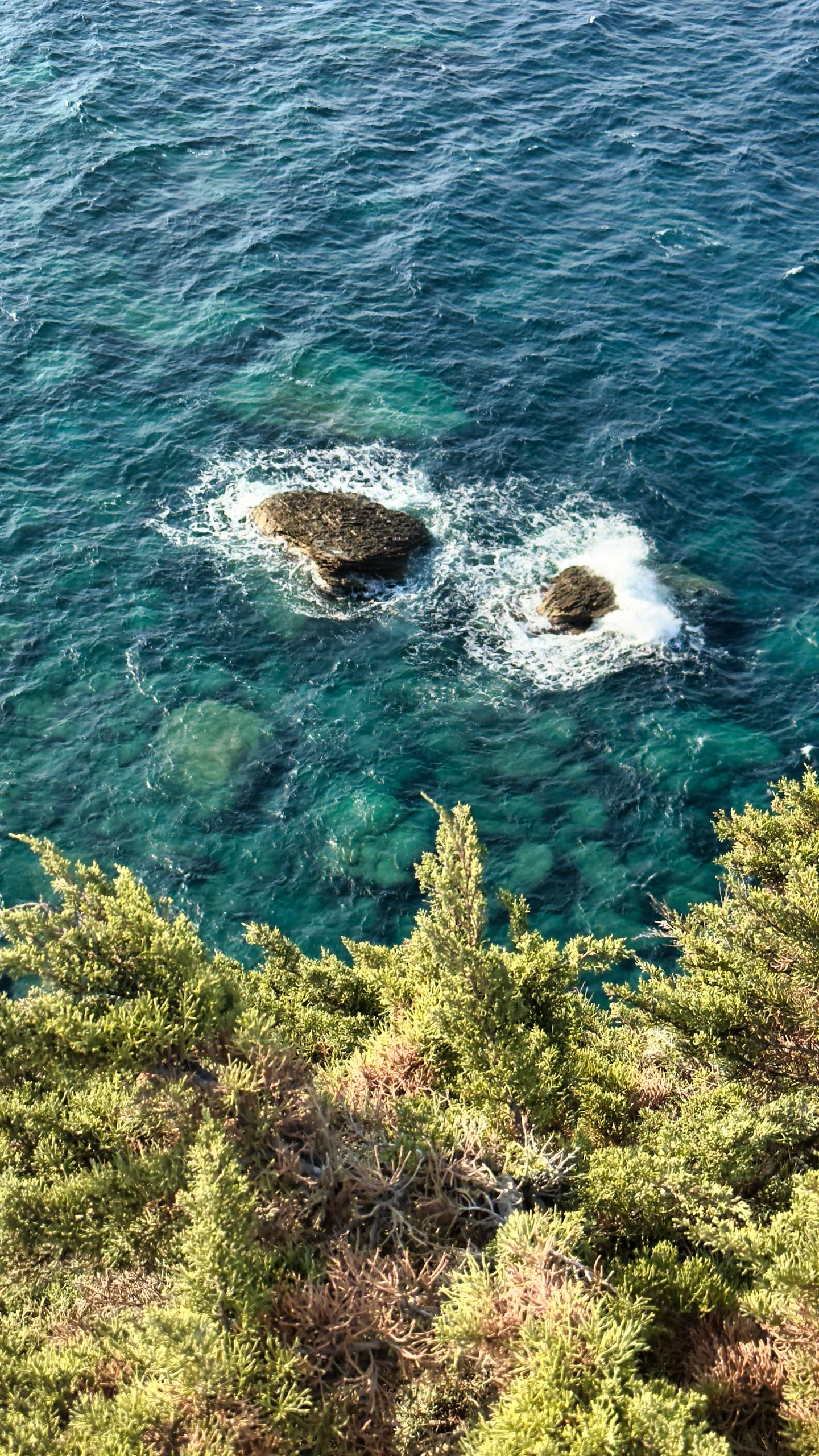
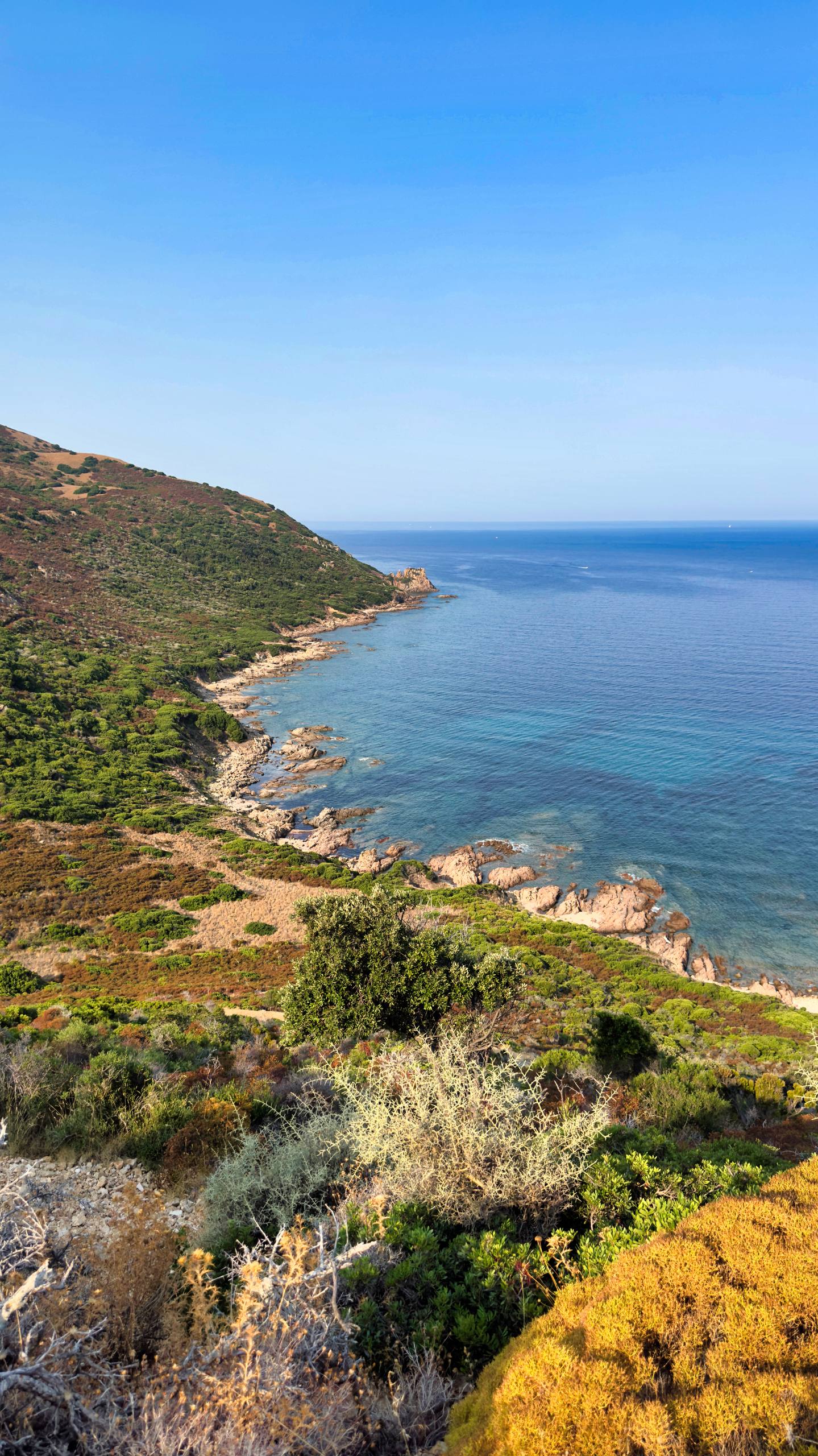
The coastline south of Bonifacio is one hidden cove after another. Most of them you can't drive to. You park somewhere on the maquis, walk down a path that smells of myrtle and rockrose, and emerge over water so clear it looks fake.
Kitesurfing under pink granite
The other half of the southern stop was wind. Piantarella, just east of Bonifacio, faces the Strait of Bonifacio and gets lifted by a thermal that builds reliably most afternoons. The water's shallow and turquoise, the launch is forgiving, and on the horizon you've got the Lavezzi islands and the granite spine of Sardinia.
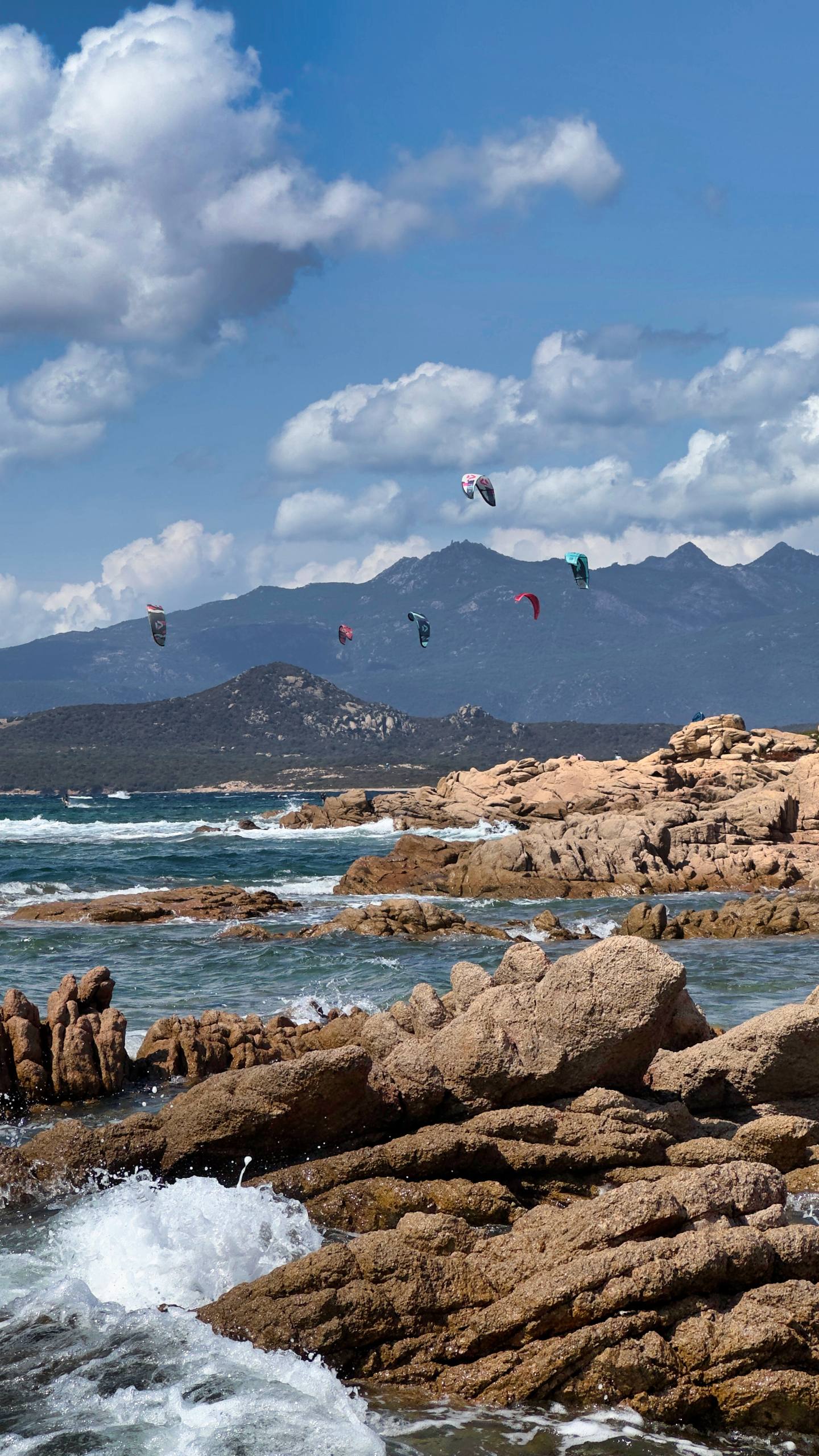
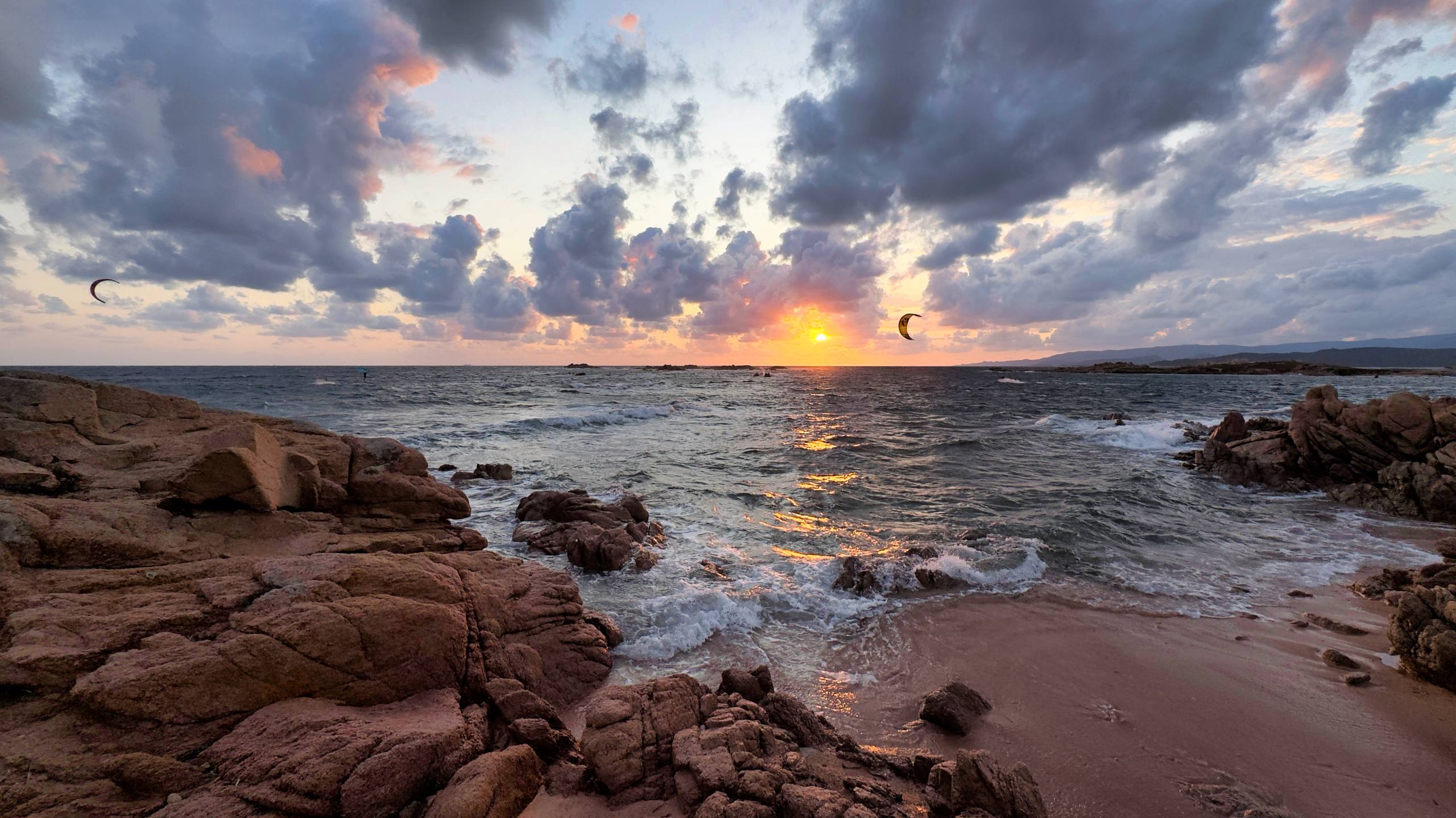
The granite is the part the postcards never quite capture. It's not grey — it's pink, properly pink, and at sunset it goes orange and the whole coastline looks like it's been lit from inside.
Forgotten things
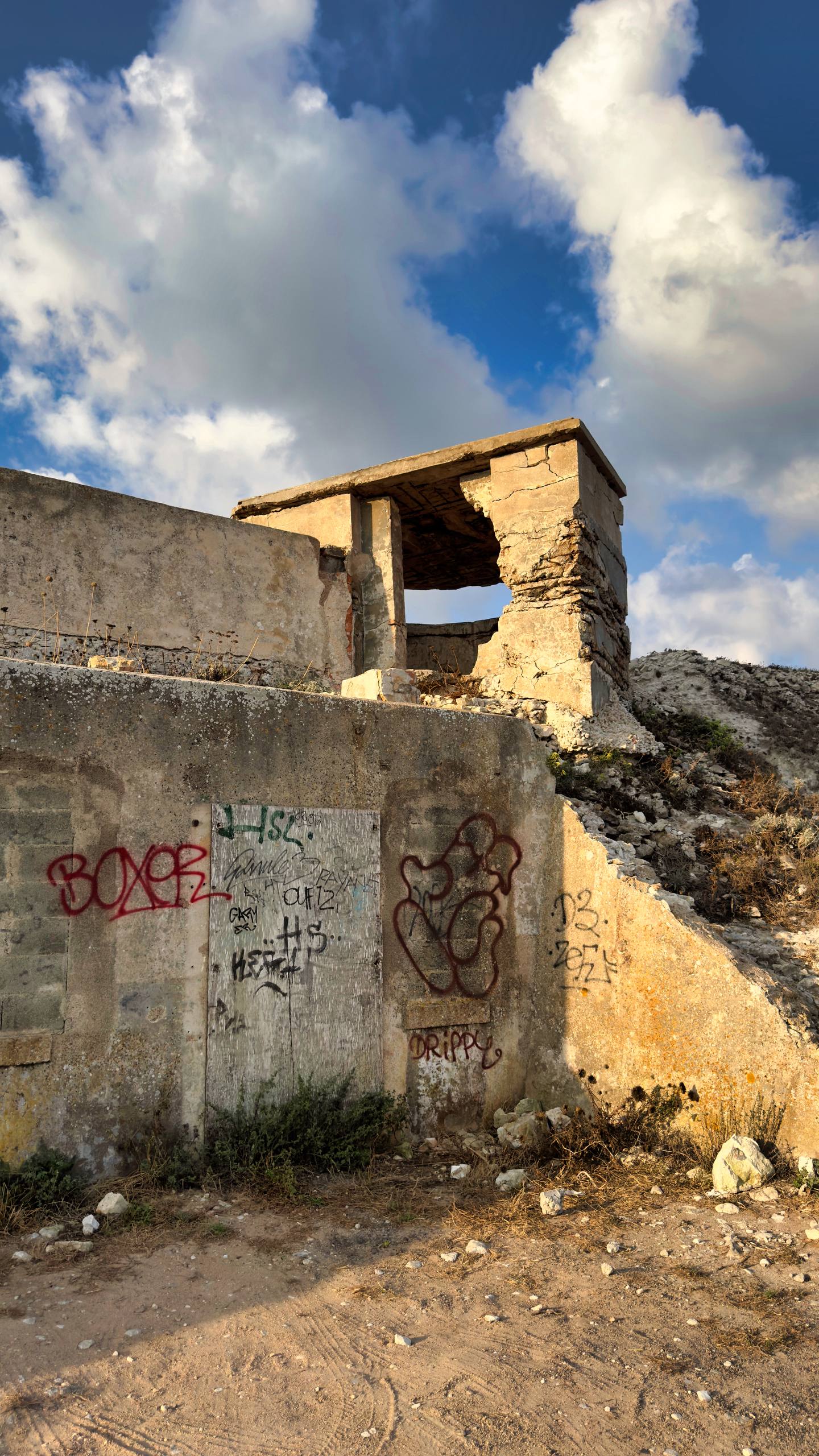
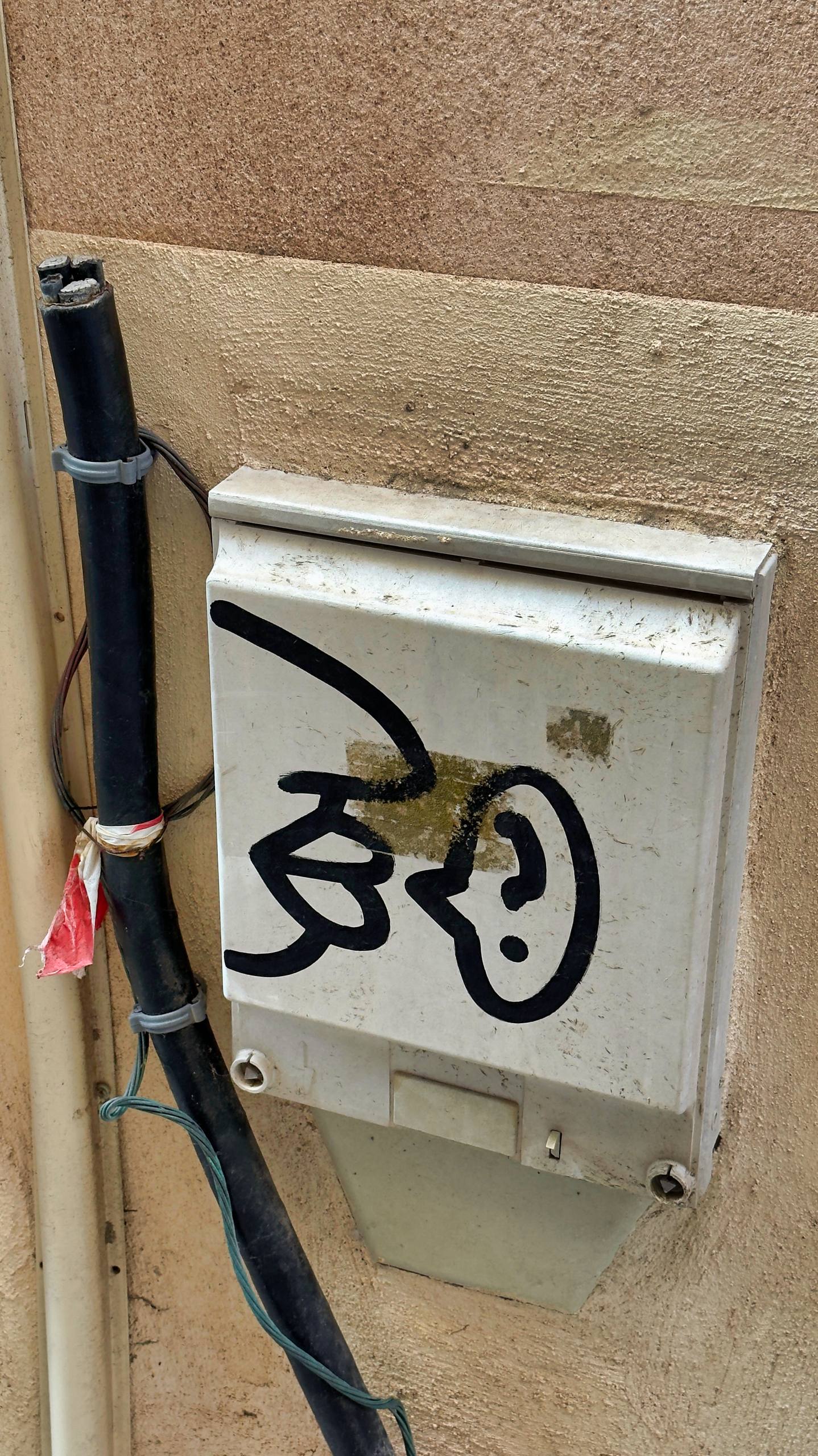
What I liked most about southern Corsica is what's been left lying around. Watchtowers from the 1500s, abandoned bunkers from the 1940s, half-finished concrete things from somewhere in between — all of it slowly being reclaimed by the maquis, all of it tagged at some point by a bored teenager.
Up into the mountains
After a few days of salt and sun, we pointed the Dacia north and drove inland. The shift is abrupt: thirty minutes off the coast and you're in deep pine forest, with granite spires poking out of the canopy and the air ten degrees cooler.
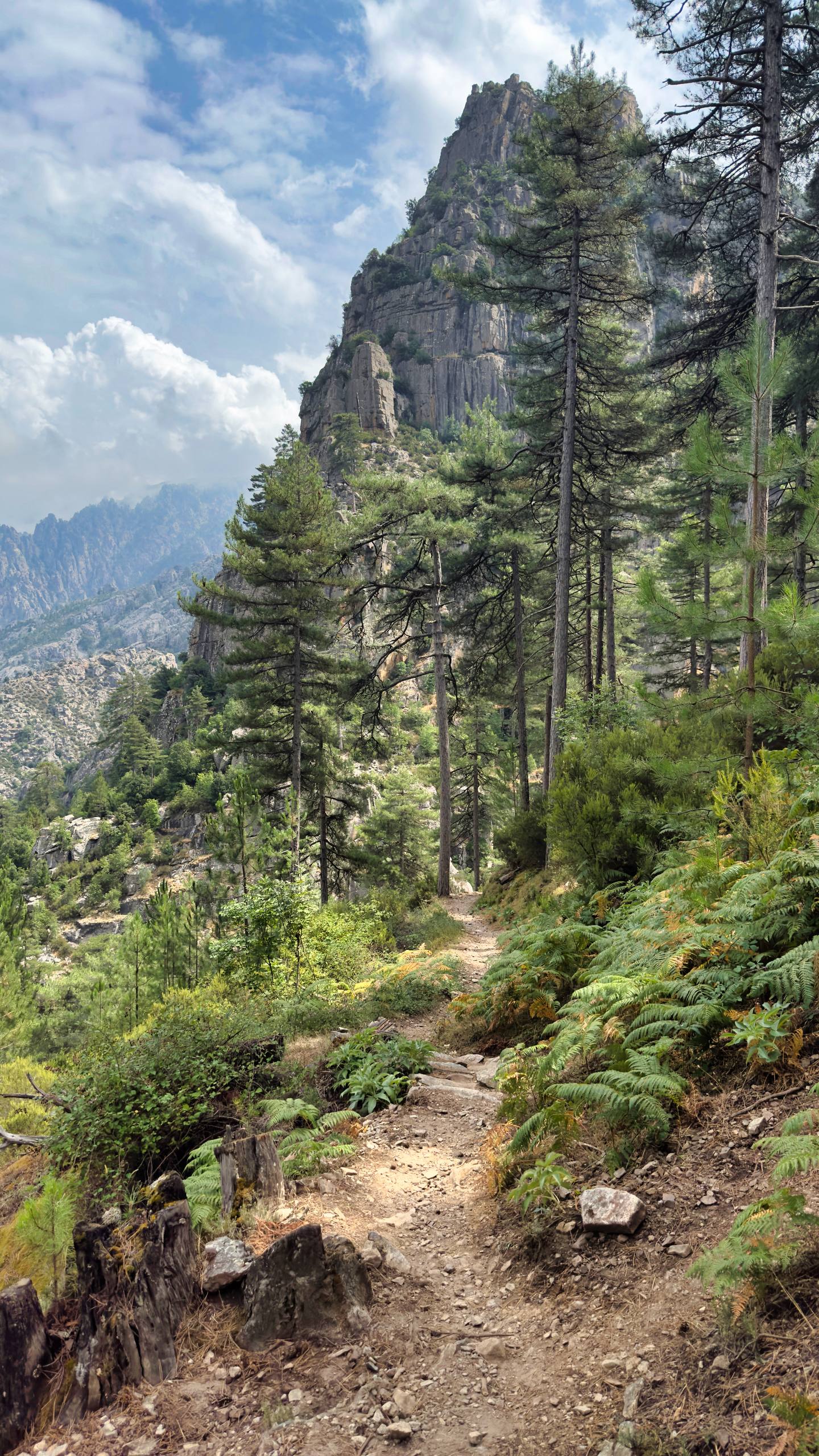
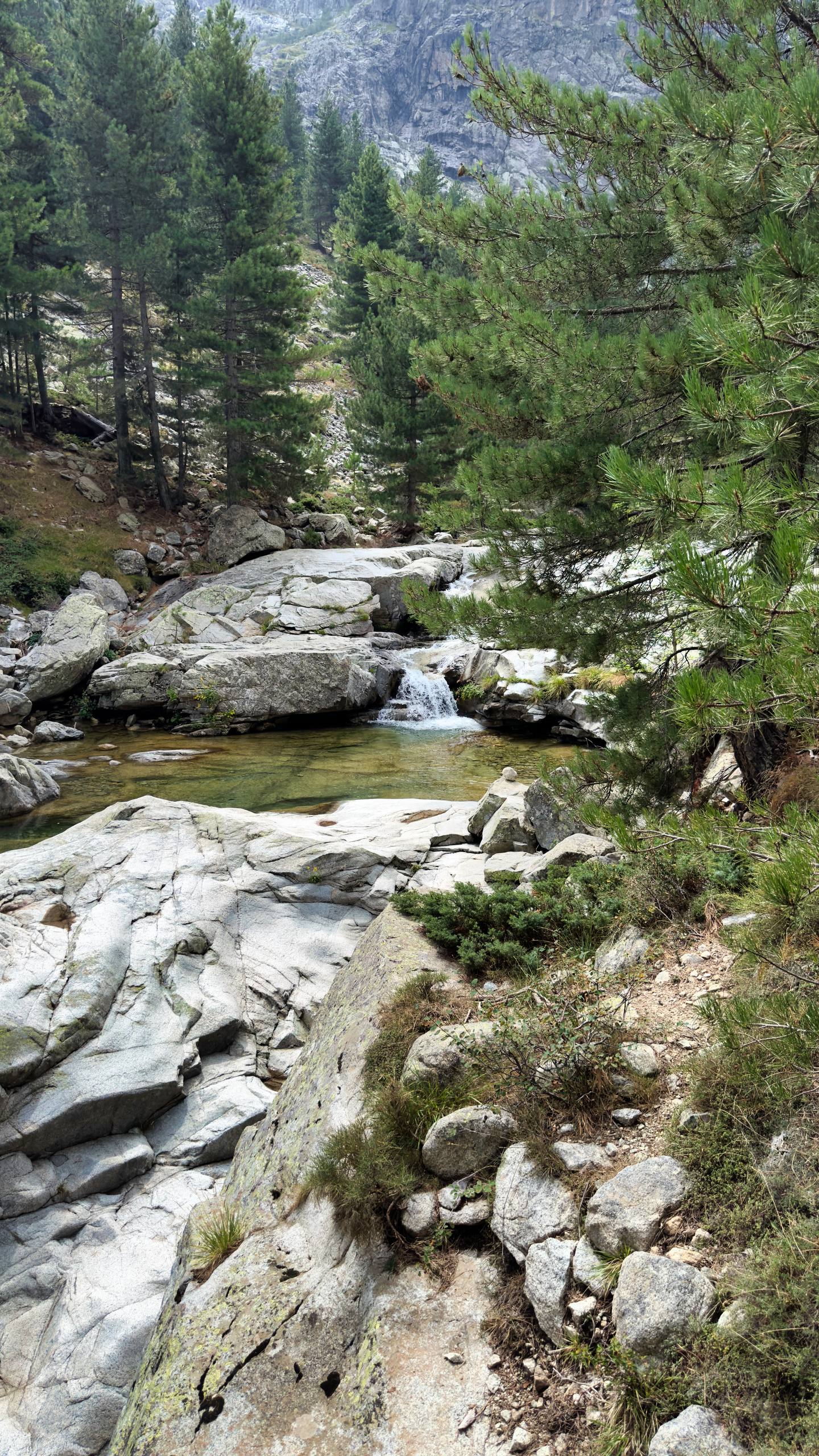
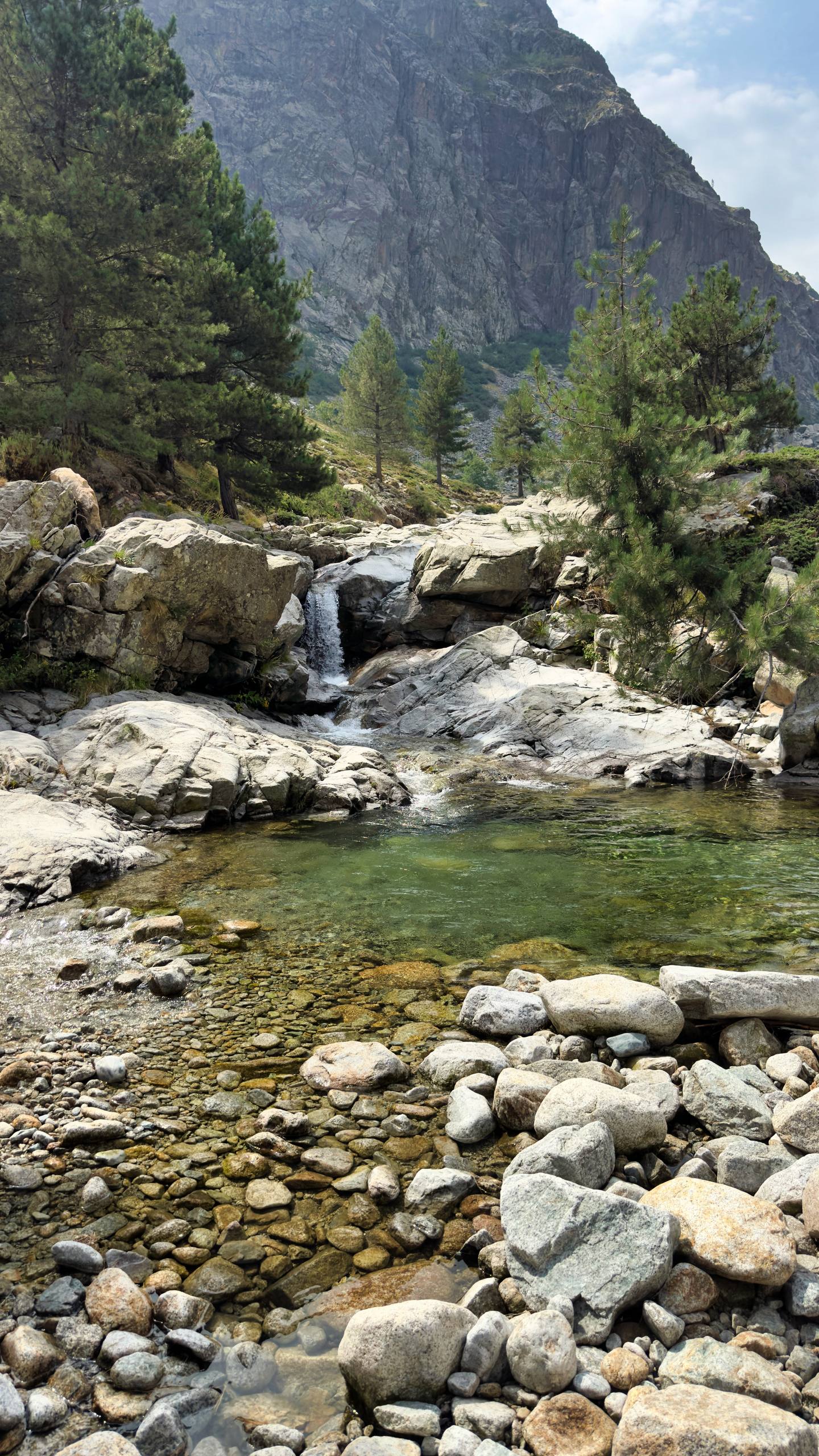
The Restonica valley is the part everyone tells you to do, and they're right. The river runs over white granite that's been polished smooth by ten thousand years of meltwater, dropping into pools the colour of green glass. You hike up, find one without too many people in it, and jump in. The water is cold enough to hurt — exactly cold enough.
The west coast
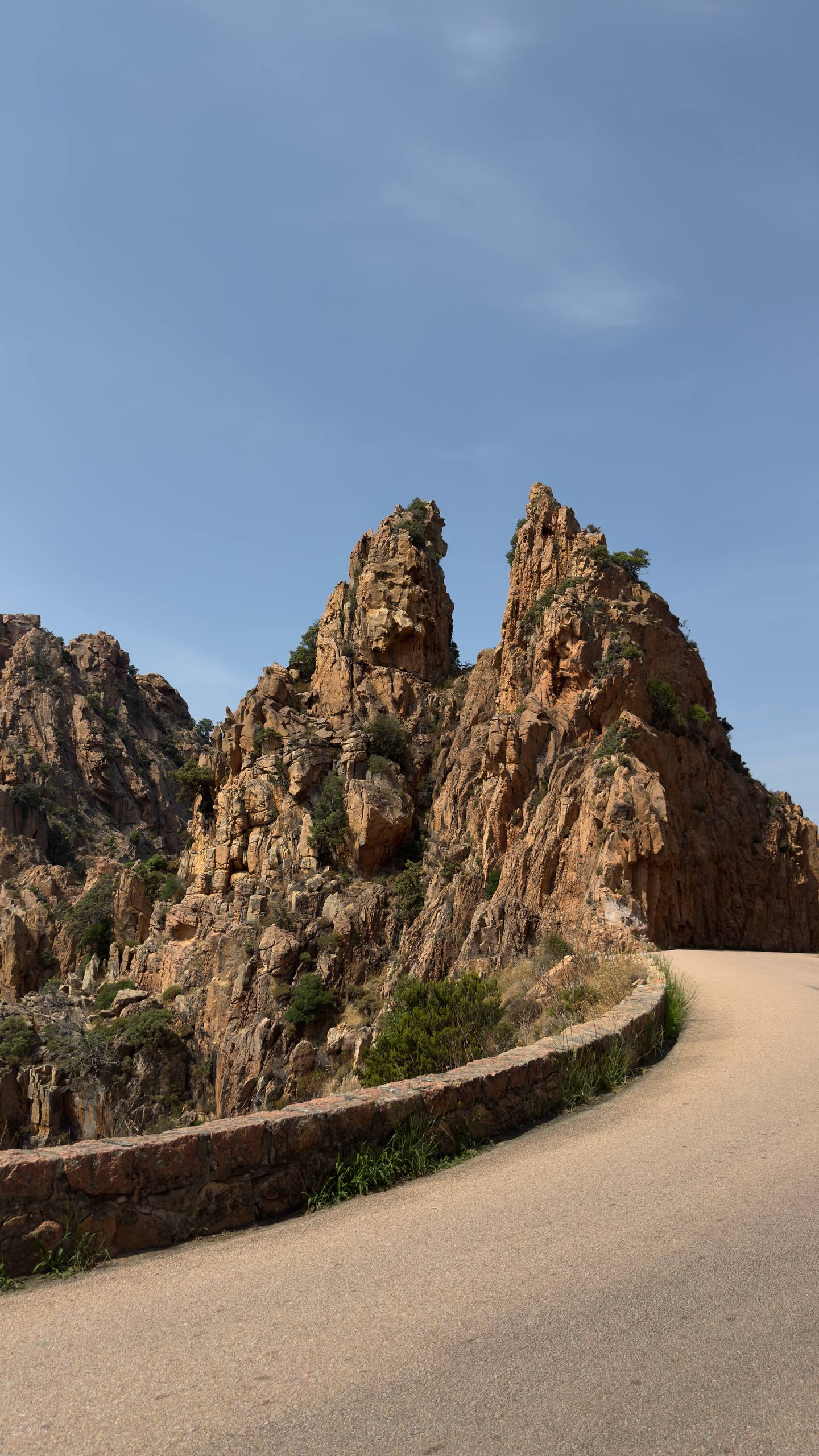
From the mountains it's a slow drive across to the west coast, and then a slower one south along it. The road through the Calanques de Piana is the kind of thing that gets put on stamps. Red, wind-eroded granite formations — tafoni — drop straight down into the sea, and the road threads between them with no real shoulder and a low stone wall built from the same rock.
Ajaccio and the Sanguinaires
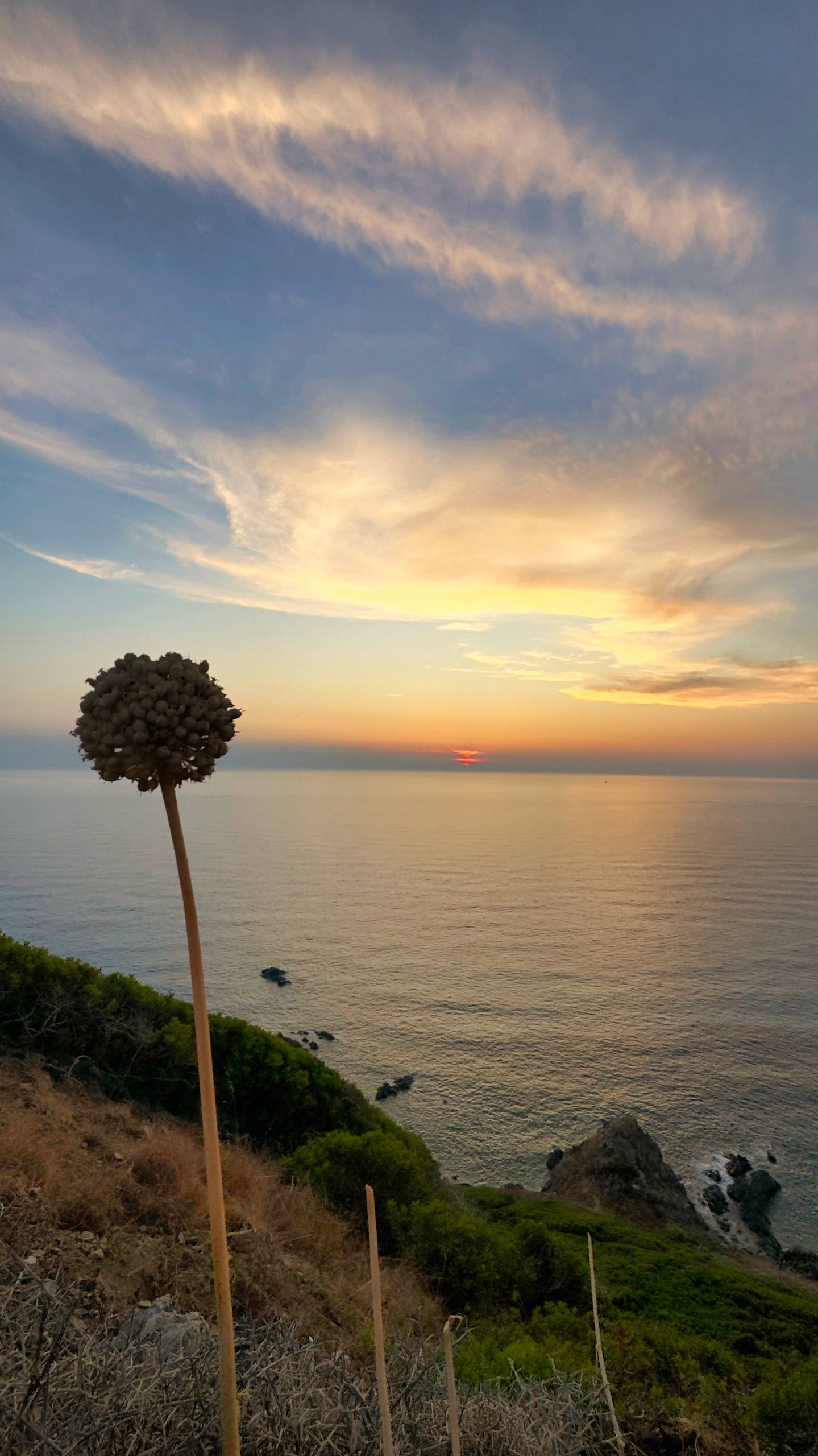
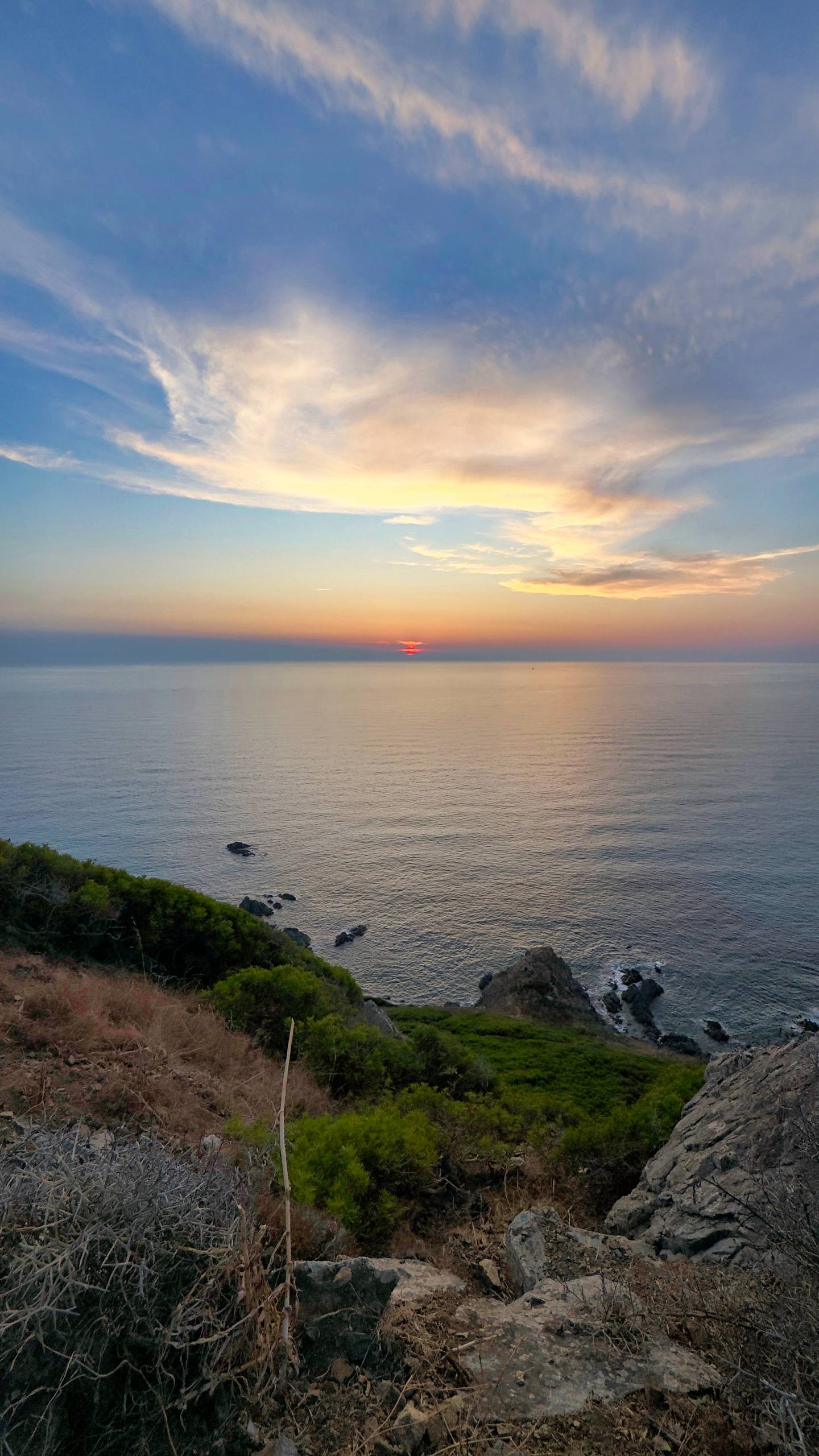
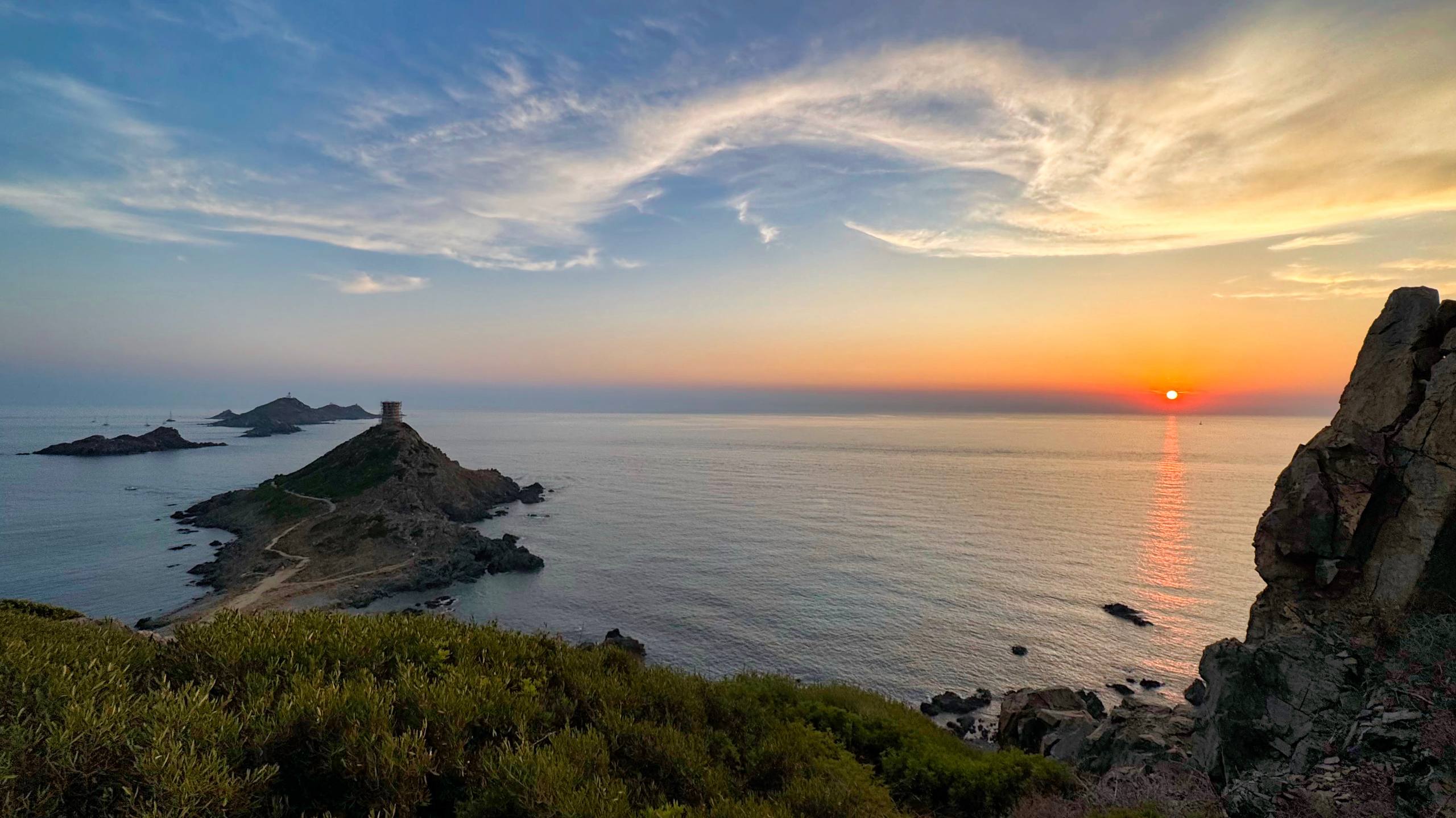
The trip ended in Ajaccio. We drove out to the Pointe de la Parata at the western tip and waited for the sun to drop behind the Îles Sanguinaires — the "bloody islands", named for the way the sun reddens them every evening of the year.
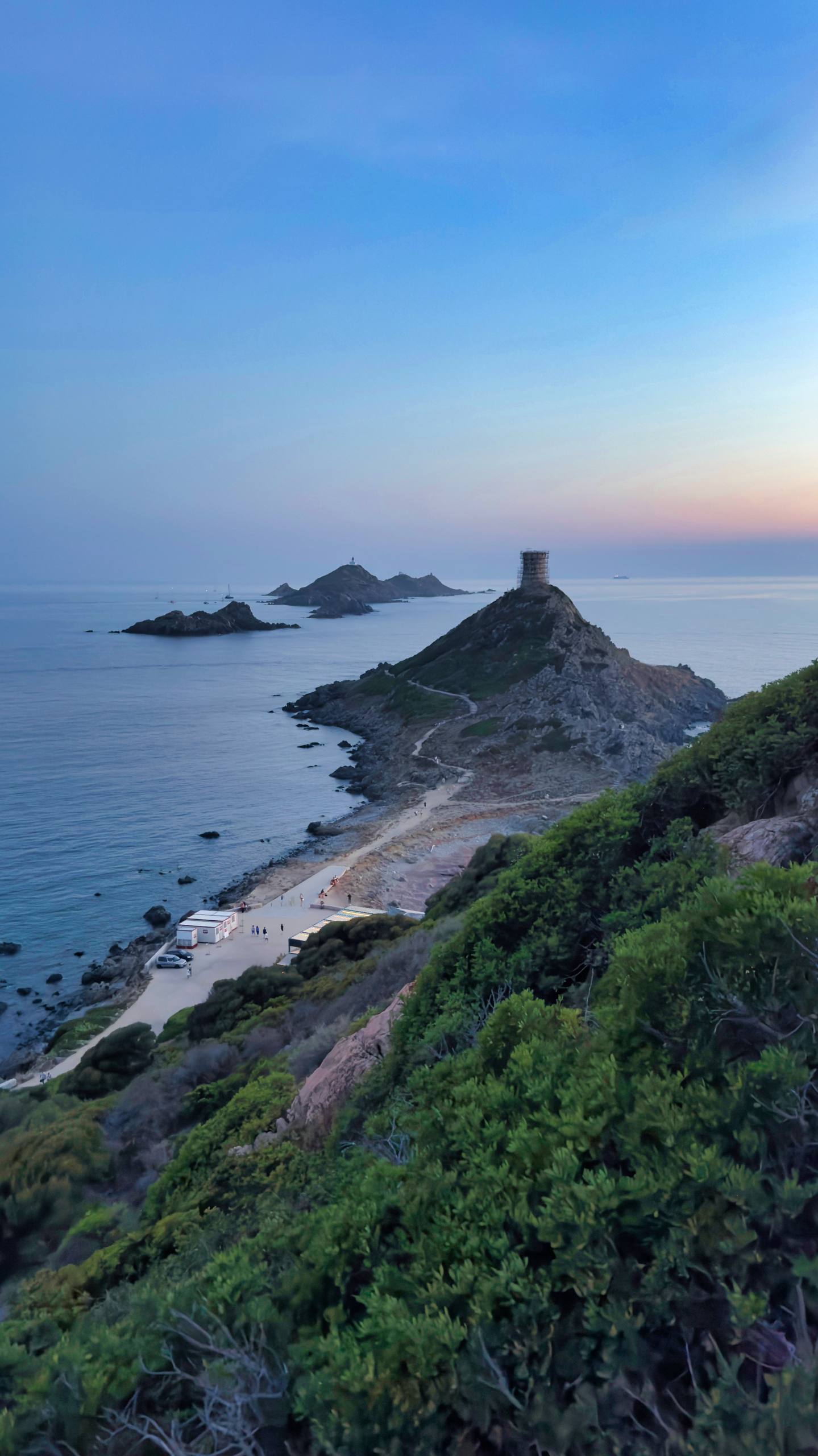
The whole thing took about thirty minutes. A horizon that turned pink, then peach, then red. A handful of people on the rocks. Nobody talking, because there was nothing useful to say.
Going back
Corsica is closer than it feels. Lausanne to Nice is a few hours, Nice to Bastia or Figari is a forty-five-minute hop, and you can land in the morning and be in the water by lunch.
A week is enough to see it, and not nearly enough to know it. I'm already plotting the next one — probably with the kite gear, a tent, and the patience to do it slowly.
If you make it down: skip the resort towns, find a cove with no name, and don't leave before sunset.