Article
A Few Days in Tuscany
A short July 2025 road trip through the Val d'Orcia, the Crete Senesi, the thermal pools of Saturnia and the wild beaches of the Maremma — cypresses, dirt roads and very long dinners.
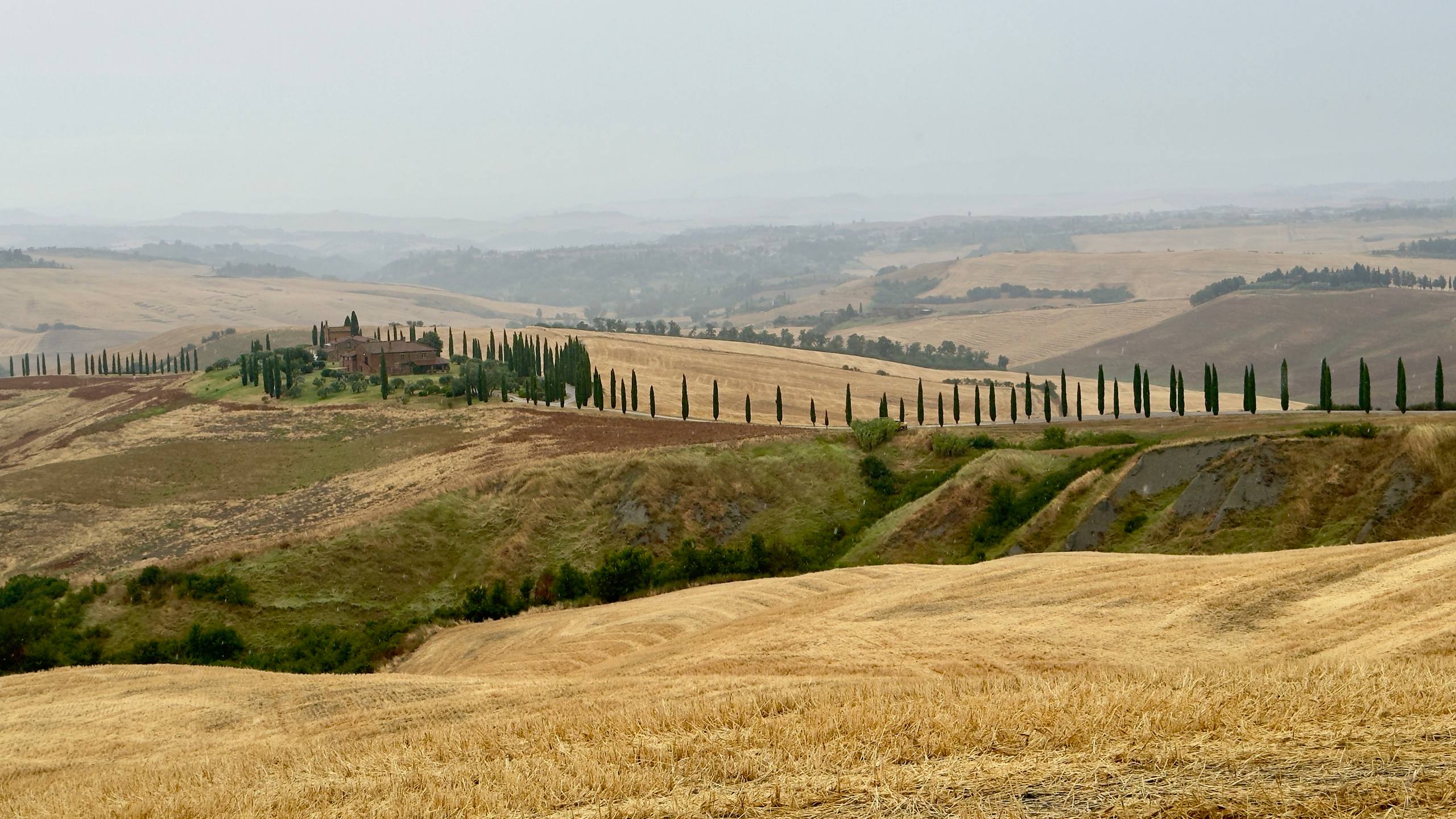
Tuscany in July is a cliché I'd been avoiding for years.
Too hot, too touristy, too photographed — every cypress on every hill already on someone's screensaver. So of course, when a long July weekend opened up, that's exactly where we pointed the car. Down through the Gotthard, across the Po valley, and into the Val d'Orcia by dinner.
A few days, no real plan. Just a rough loop: hilltop villages first, then the thermal pools, then out to the coast. Here's what stuck.
Val d'Orcia
The Val d'Orcia is a UNESCO site for the same reason a Vermeer is in a museum — somebody, at some point, decided this was the version of the thing we should preserve. Wheat fields shaved to gold by mid-July, single farmhouses on single hills, a cypress driveway like a hand-drawn line.
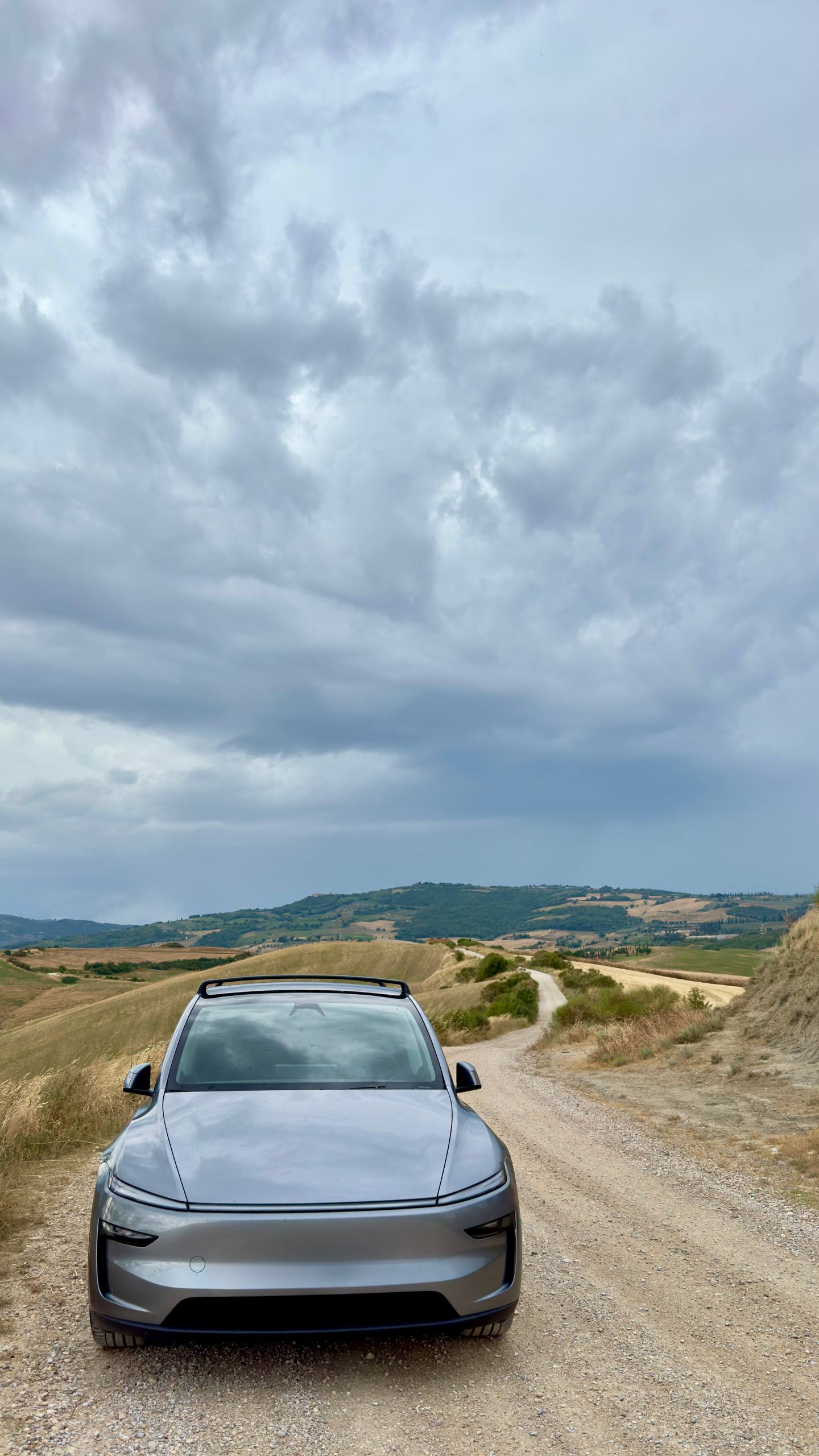
It's the kind of landscape that makes you suspicious. Surely a place this composed can't be accidental. But you drive a back road for ten minutes and the next view is just as good as the postcard one, and the one after that, too. There's just a lot of it.
Hilltop villages
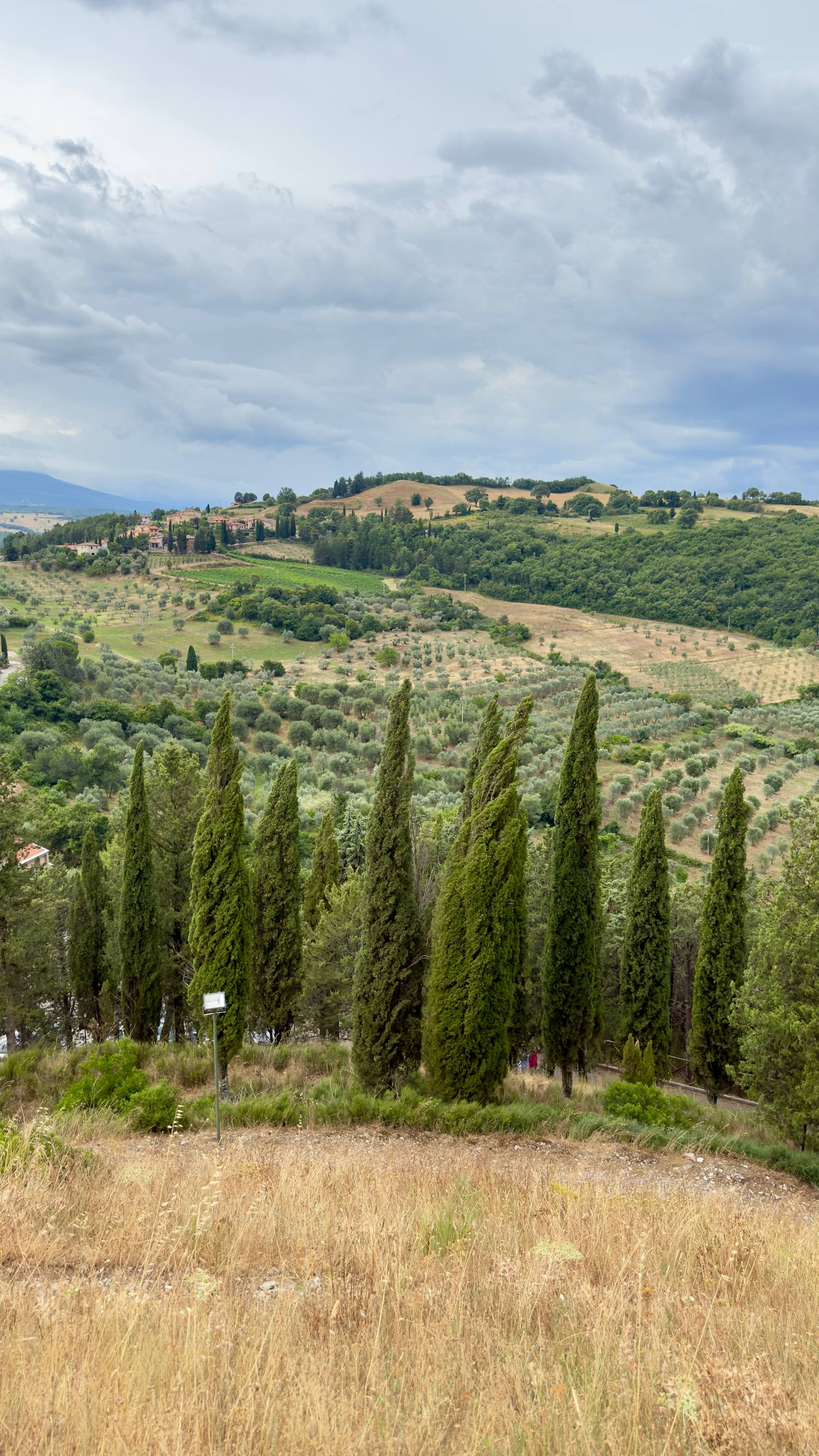
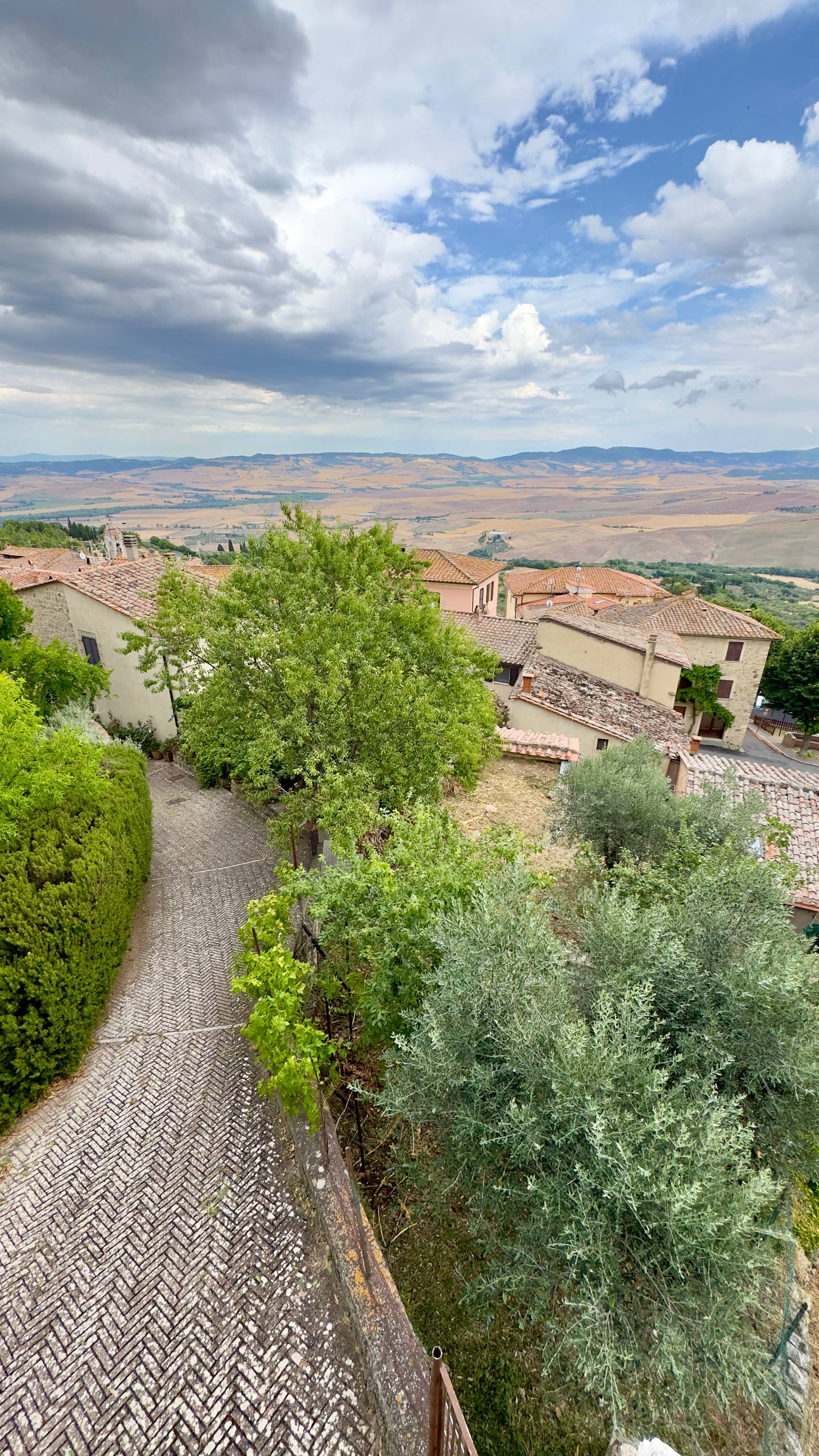
Every Tuscan hill seems to come with a village stapled to the top of it. Stone, terracotta, a church, a fortress, a bar with three tables — the formula doesn't change much, but it works every time.
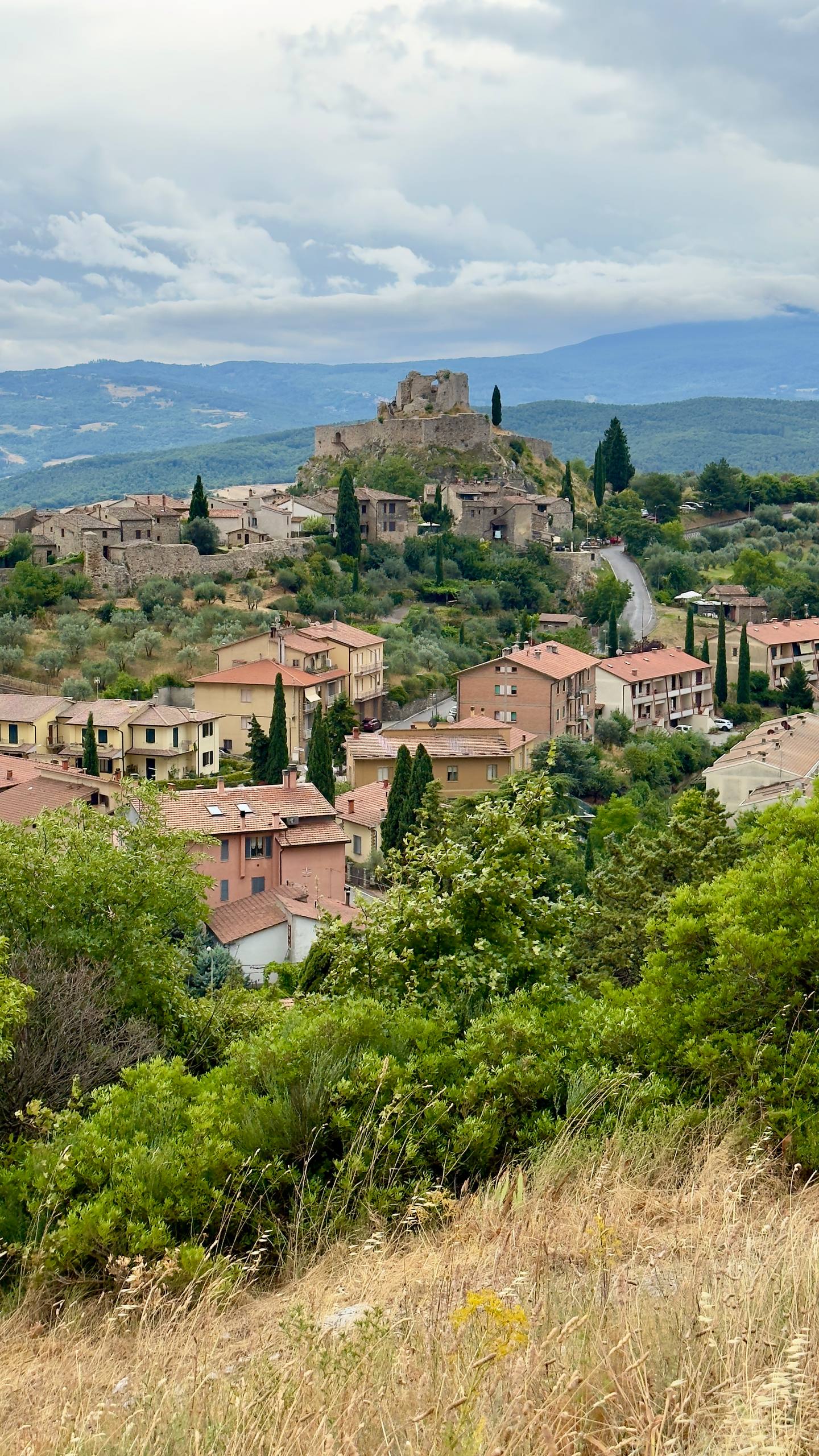
The trick is to skip the famous ones at midday and aim for the smaller ones at aperitivo time. Park outside the walls, walk in through whatever gate is open, and find the piazza. Order something cold. Watch the light go orange on the stone. Move on before dinner.
A long dinner
The best meal of the trip wasn't in any town — it was at the agriturismo, on a long table dragged outside, with vineyards going down the hill and a hilltop village glowing on the horizon.
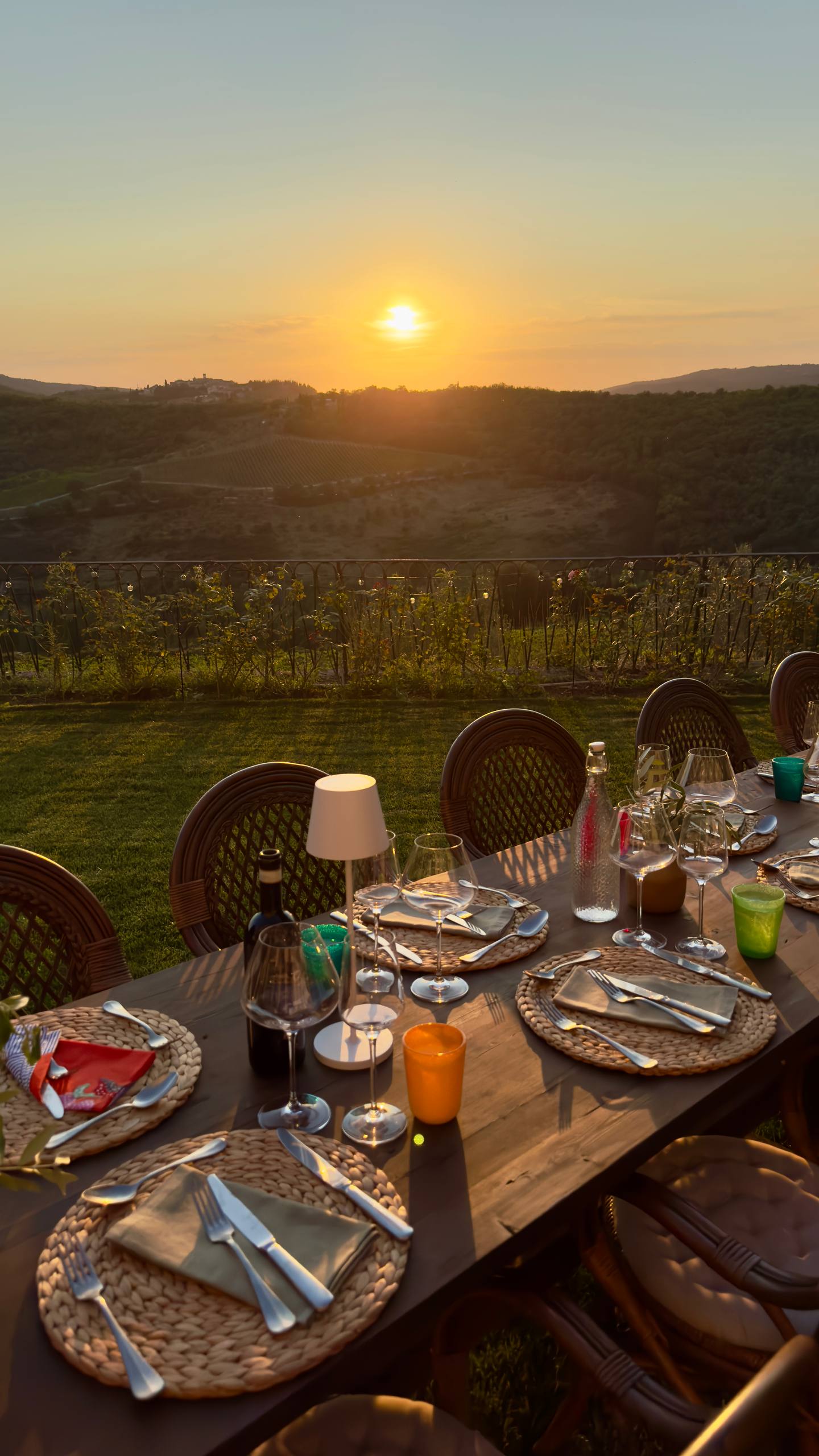
There's a specific kind of golden hour you only get over Tuscan hills in July — long, slow, and almost too perfect. Everything reddens. The wine glasses pick it up. Conversation drops half a register. You stop checking your phone without deciding to.
Saturnia
A detour south, into the Maremma. The Cascate del Mulino at Saturnia are exactly as advertised: chalky turquoise terraces of travertine, hot sulphur water cascading down through them, an old stone mill at the top, and — at any hour you choose to show up — a fair number of strangers in swimsuits sitting around in a milky-blue bathtub.
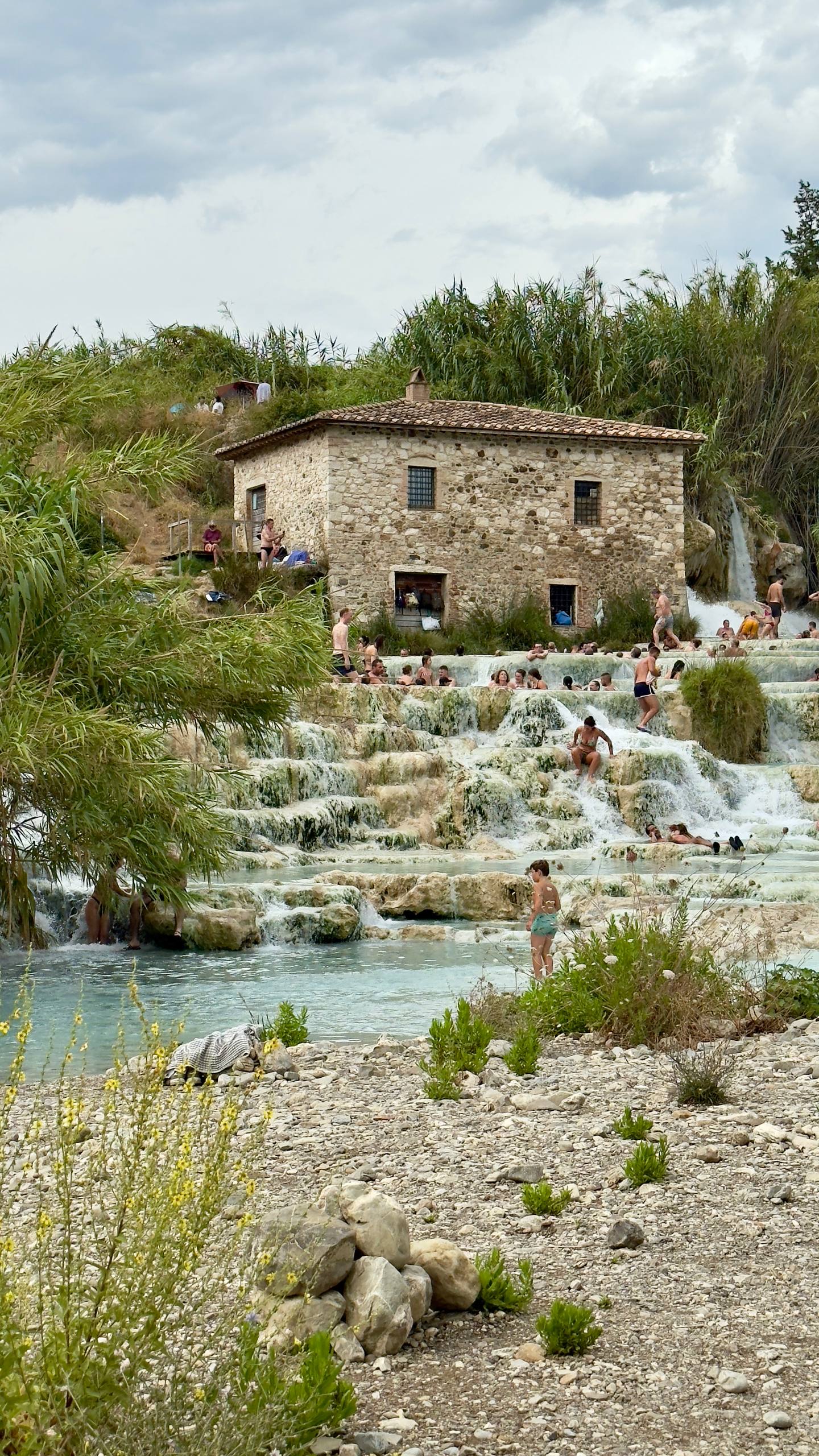
It smells faintly of eggs and feels exactly right. Best done early — by mid-morning the bus tours roll in and the parking situation gets philosophical.
The Maremma coast
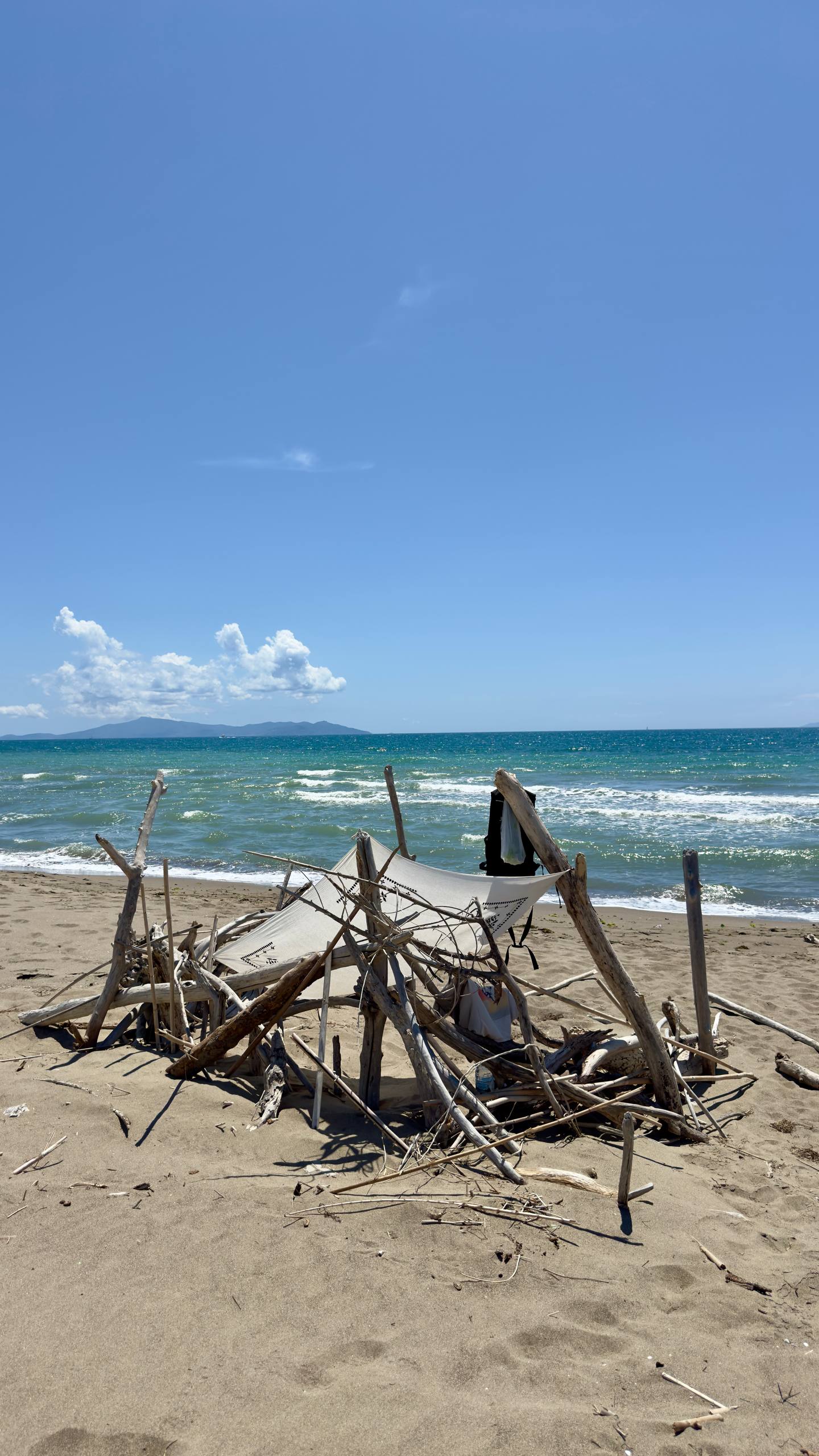
From Saturnia it's another forty minutes to the sea. The Parco della Maremma is the bit of Tuscan coast they didn't pave — pine forest, scrub, dirt tracks, and long wild beaches you have to walk to. No bars, no umbrellas, no row of identical sunbeds at twenty euros a head.
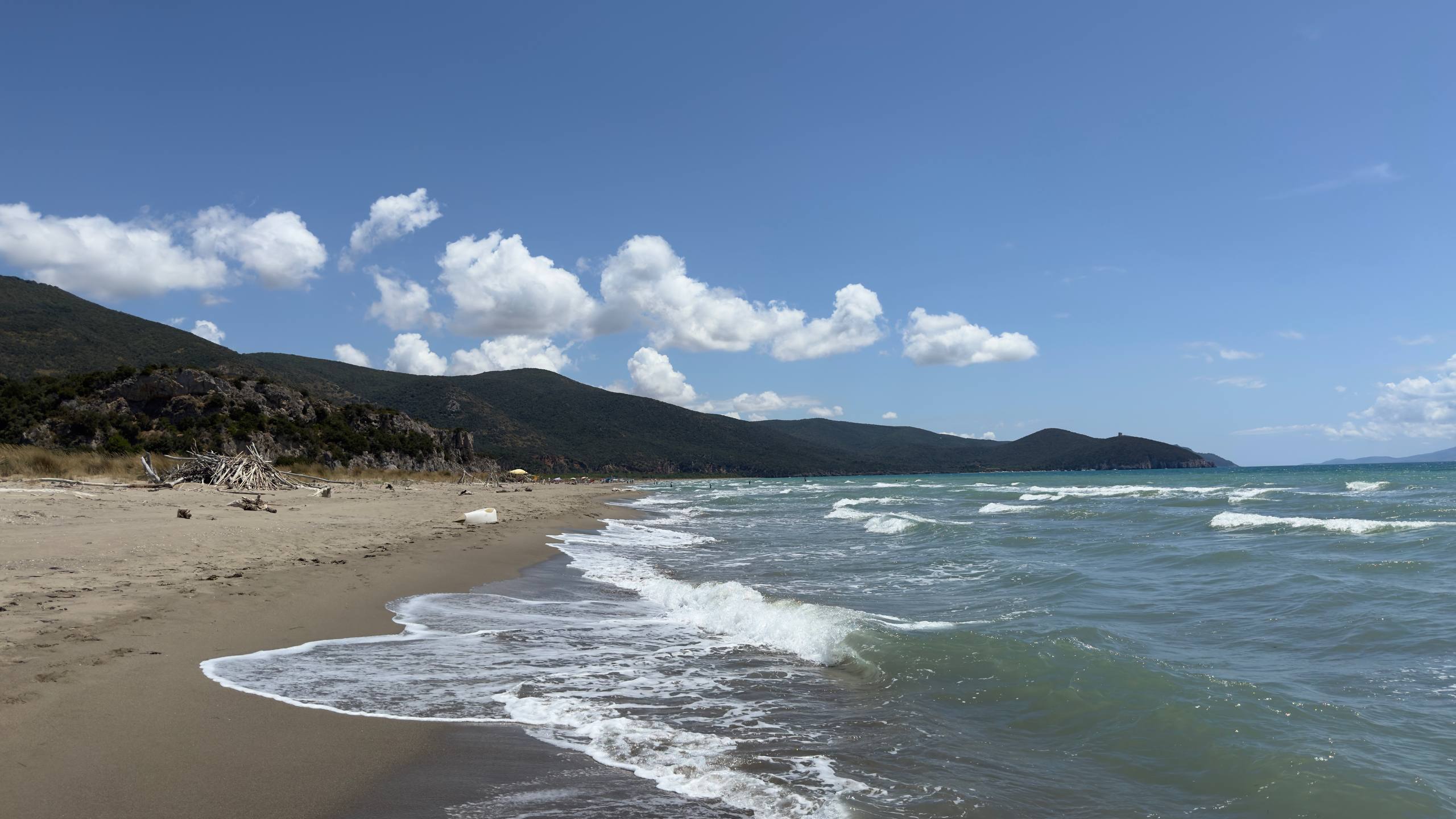
Somebody had been there before us and built a small driftwood teepee on the sand. We left it standing. Felt rude not to.
A book and a slow morning
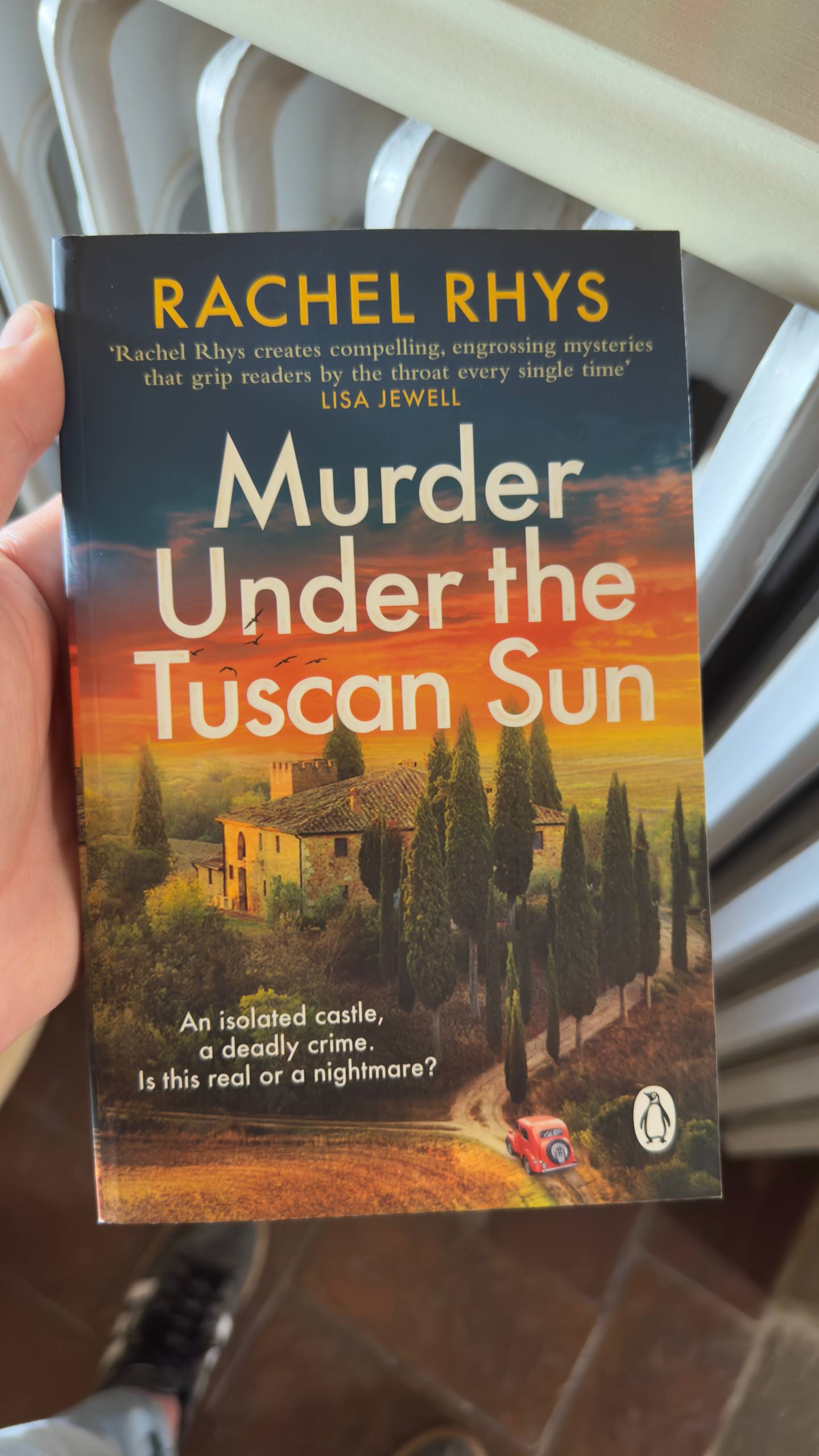
The other thing Tuscany is for, of course, is doing nothing. Long mornings on a tiled floor with a coffee and a paperback. The book of the trip was a deliberately silly one — a thriller called Murder Under the Tuscan Sun, picked up at the airport for the obvious reason.
Going back
Four days isn't a trip to Tuscany — it's a tasting menu. You leave with a list twice as long as the one you arrived with: the val di Chiana next time, the Apuan Alps, the marble quarries above Carrara, a proper week in the Maremma with a tent.
But what stayed with me wasn't any single view. It was the light, and the slowness — both of which are harder to find than they should be, and both of which Tuscany still has in absurd quantities.
If you go in July: drink water, drive the dirt roads, eat outside, and don't try to see everything. You won't. That's fine.